
Push Button Lockout Cover Compatibility: Check the Complete Assembly
Push button lockout cover compatibility depends on the complete mounted assembly: the operator, collar, panel, neighboring controls, proposed cover and approved padlock. A nominal mounting-hole size is only an initial screening detail. Review the exact operator and cover models, check a representative sample in a controlled setting, and obtain approval for any change affecting access or control operation. The cover must not be treated as an energy-isolating device merely because it prevents someone pressing a button. This guide addresses a retrofit purchasing review; the employer’s machine-specific energy-control and emergency-function requirements remain decisive.
Define what the cover is intended to do
Start the request by describing the proposed function. Is the site trying to restrict access to a control during an approved process, protect a particular operator from accidental contact, or replace a damaged existing cover? These situations can involve different requirements. A cover selected for one purpose should not be described as a complete lockout system for another.
Under the U.S. general-industry hazardous-energy standard, push buttons and similar control-circuit devices are not energy-isolating devices. See the definitions in 29 CFR 1910.147. Preventing access to a button does not establish that energy sources are isolated. The retrofit review must preserve this distinction in the specification, training and equipment records.
Identify the person responsible for approving changes to the machine controls. If the proposed cover affects an emergency-stop function or access to it, the relevant competent personnel must assess that effect before installation or operation. Purchasing staff should not accept a generic product description as approval to restrict an emergency control.
Collect information from the installed assembly
Record the exact operator model and the equipment identifier. Ask for current photographs that show the surrounding panel as well as the button. A close-up can reveal the collar shape but hide an adjacent selector switch or panel door that conflicts with the cover. Include the intended operating positions and the access that the site requires in normal and abnormal conditions.
Measure the relevant dimensions using the equipment and accessory documentation. These can include the projection of the operator, the collar profile, available flat mounting area and clearance for opening the cover. The site should define how to obtain measurements safely. Do not remove a live panel component or defeat a safeguard to gather purchasing information.
The BOYUE WSL-03 push button lockout range illustrates a transparent cover category. Confirm which variant is being offered and which mounting arrangement it requires. A generic mounting-hole reference cannot resolve every projection, collar and panel geometry that may exist in the field.
Use a complete compatibility review
| Interface | Information to confirm | Reason to pause the order |
|---|---|---|
| Operator and collar | Exact model, external shape and projection | The supplier has only a nominal hole dimension |
| Panel area | Approved mounting method and available surface | Mounting conflicts with labels, seals or adjacent devices |
| Cover movement | Opening path and access in relevant positions | The cover hits another control or cannot open fully |
| Padlock interface | Actual shackle and body dimensions | The proposed lock prevents proper closure |
| Control function | Authorized assessment of operational and emergency access | The retrofit would restrict a required function |
| Documentation | Approved assembly and installation instructions | A field modification is proposed without review |
This table organizes the purchasing questions. It does not authorize a mounting method or establish that a cover is acceptable on a particular machine. Keep the answers tied to the operator and accessory revisions reviewed. Otherwise, a later change in collar size or hinge position may be missed because the purchase record only says “button cover.”
Check mounting without inventing an installation method
Use the accessory manufacturer’s instructions and the machine owner’s approved change process. Do not assume that adhesive, drilling or clamping is acceptable simply because it appears possible in a photograph. The mounting method can affect panel sealing, labels, clearances and the ability to maintain the operator. Request clarification when the instructions do not address the proposed arrangement.
Ask who will inspect the installed assembly and what evidence they will retain. A photograph can document the final layout, but it cannot replace a function assessment where one is required. Record whether labels remain readable, whether adjacent controls are accessible and whether the cover can be maintained as intended. Keep any unresolved restriction visible in the approval record.
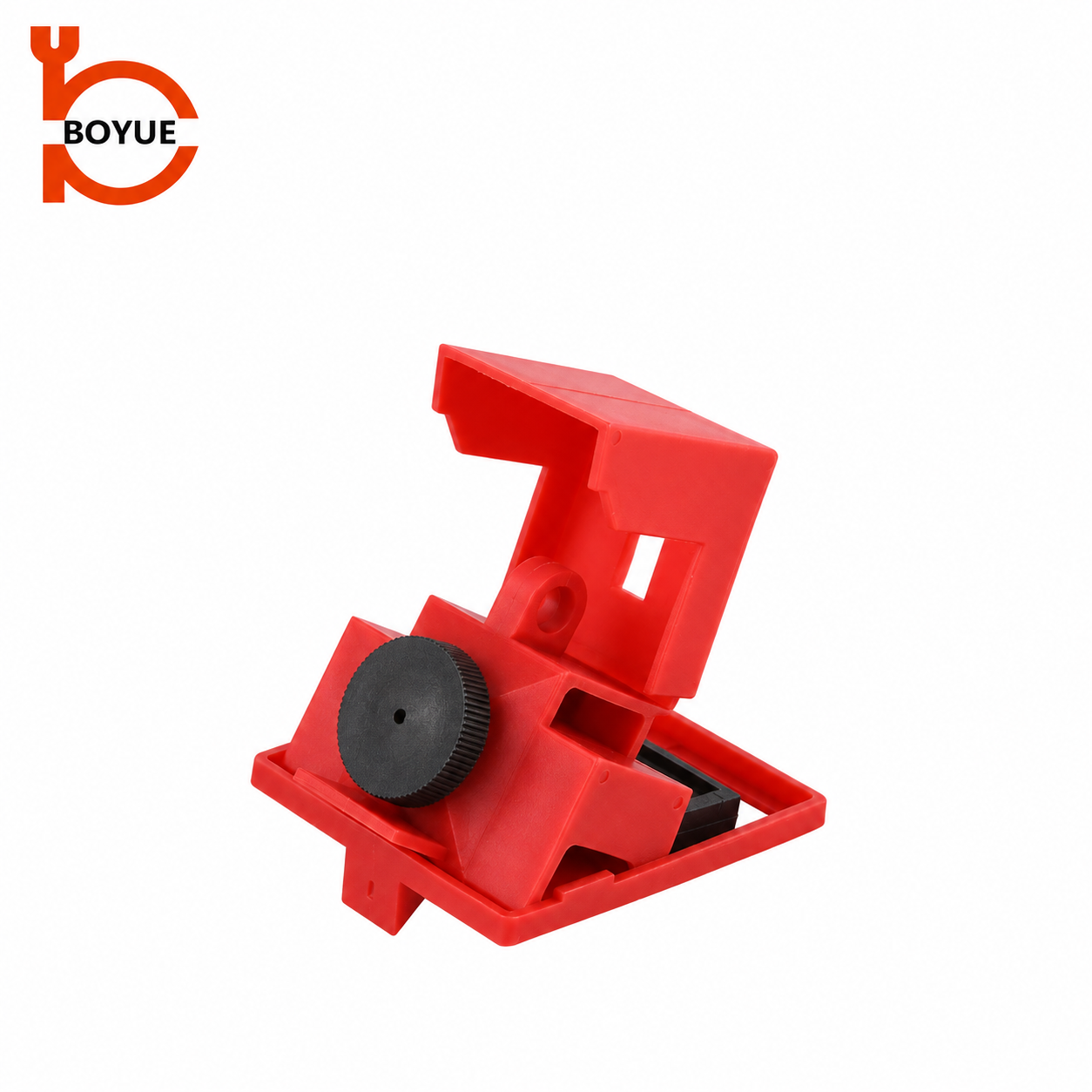
Where the energy-control procedure calls for isolation at a circuit breaker or another energy-isolating device, evaluate that arrangement separately. Do not replace it with a button cover for convenience. The circuit breaker isolation verification guide discusses why accessory attachment and verified energy control are separate questions.
Review the cover and padlock together
A padlock may pass through a hole while still interfering with closure or access. Check the actual proposed lock rather than relying on the shackle diameter alone. Body shape, usable opening and neighboring components can matter. A site that standardizes personal locks should include that exact configuration in the sample review so that the accessory order remains compatible with the established system.
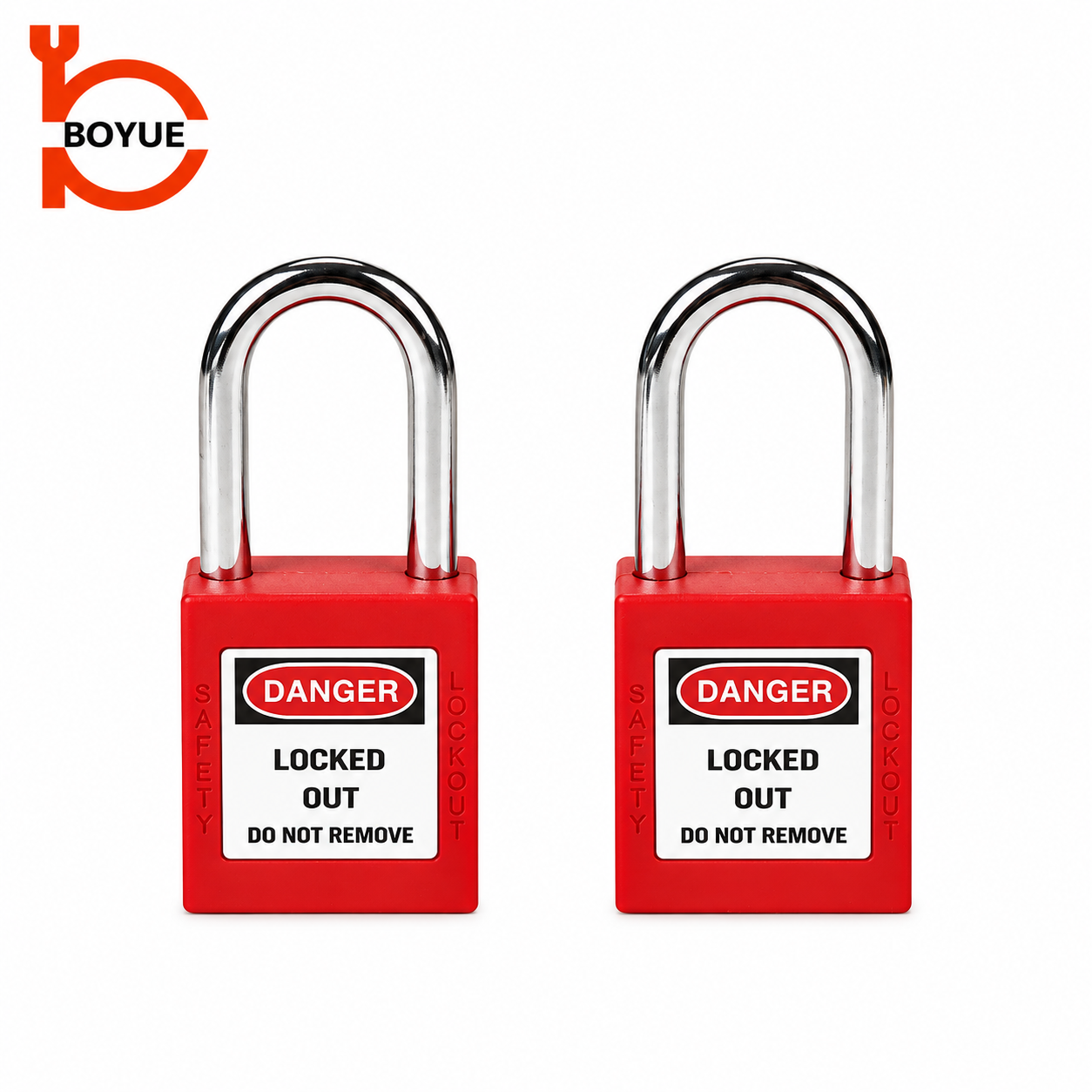
Do not enlarge holes or remove material to make an unsuitable pair fit. If the proposed combination fails the review, ask the supplier for a documented alternative and submit the revised combination for approval. The padlock inspection guide supports later condition checks but cannot approve a modified interface.
Confirm that the owner or assigned role can still be identified when the padlock is in place. A transparent cover does not guarantee that all information remains visible from the normal approach. Check the final arrangement under the lighting and access conditions that the site considers relevant, without using a live hazardous condition as a demonstration.
Preserve emergency access and operating instructions
A retrofit can change how a person approaches a control, how quickly it is recognized or whether it can be operated. Those effects need review by the people responsible for the machine. A cover should never be approved solely because it fits physically. Where emergency access is involved, the relevant equipment instructions and applicable requirements govern the assessment.
The CCOHS lockout overview explains the broader need to control hazardous energy before servicing. It is useful background for distinguishing control restrictions from isolation. The emergency-stop cover limitations guide addresses that boundary directly and complements this purchasing review.
If normal operation requires a different cover state from maintenance, make that distinction explicit in the approved instructions. Do not leave workers to infer the intended state from whether a padlock happens to be available. Training should explain the approved role of the accessory and who can authorize a change, rather than presenting the accessory as a universal solution for all work on the machine.
Approve a traceable sample before a batch order
Keep the sample identity, operator model, proposed mounting method, personal-lock configuration and review outcome together. Record any limitations and the person authorized to approve the result. An approval for one panel does not automatically cover a second machine with a different operator or control layout. Use representative equipment groups only when the responsible reviewer has established their equivalence.
For repeat orders, ask the supplier to identify changes to the cover, hinge, locking interface or mounting components before shipment. Compare the received items with the approved sample and order details. If a changed component arrives, hold it for review rather than installing it as a routine replacement. Clear change records are particularly useful when a product family contains several visually similar variants.
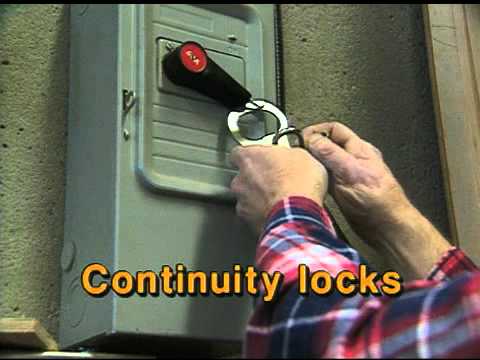
After installation, maintain the accessory according to the relevant instructions and approved site checks. Cracking, loose mounting, clouded visibility or changed clearance should be reported through the maintenance process. Do not improvise a repair that changes the approved function. SAFEWorkManitoba’s video below provides further education on the overall lockout process, rather than an installation demonstration for this cover.
Document the result for each equipment group
Consider two panels using the same nominal button size, one with open space around the operator and another with a selector immediately beside it. A cover sample may fit the first panel while its opening path conflicts with the second. Record that distinction rather than approving every button of the nominal size together. The responsible reviewer can determine whether a different documented accessory or another approved arrangement is appropriate. The purchasing record should retain the affected equipment identifiers and the decision, so that a later replacement order does not repeat the unsuitable combination.
Frequently asked questions
Is matching the mounting-hole size enough?
No. Review the operator projection, collar, panel, mounting method, cover movement and actual padlock as a complete assembly.
Does a locked button cover isolate hazardous energy?
No. A control-circuit restriction does not establish energy isolation. Follow the equipment-specific energy-control procedure.
Can a cover be added to any emergency-stop button?
No. The responsible competent personnel must assess the effect on the machine and required emergency access before approving a retrofit.
What should accompany a batch order?
Include the exact approved cover variant, operator information, mounting arrangement, padlock configuration and any application limits from the sample review.