
Lockout Tag Durability in Wet Work Areas
Lockout tag durability depends on whether the tag, its printed warning, the worker’s written information and its attachment remain usable throughout the expected exposure. A tag described as PVC or waterproof still needs an application check in a wet work area. Review the cleaning chemicals, splash, abrasion, writing method and planned duration, then approve a representative sample through the site’s safety program. Readability at delivery is only the starting point. This guide helps purchasers and maintenance teams define useful receiving checks without treating a material name or a supplier photograph as a compliance certificate.
Assess the complete tag system
The working assembly includes the tag substrate, printing, writable surface, identification information and attachment. These elements can fail differently. A plastic body may remain intact while a handwritten name becomes unreadable. A warning may survive washing while a damaged eyelet allows the tag to detach. Describe the required function of each element before comparing prices or ordering a replacement batch.
For covered U.S. general-industry applications, the device provisions in 29 CFR 1910.147(c)(5) address environmental durability, identification and other requirements. They include considerations for wet or damp locations and corrosive environments. A purchasing evaluation should refer to the applicable requirements in full rather than turning “plastic tag” into an automatic acceptance category.
Determine the expected exposure with people who actually perform the work. Ask whether tags encounter outdoor weather, washdown, oils, cleaning agents or repeated handling with gloves. Record the products and conditions that matter rather than writing “industrial environment.” Those details allow the supplier to answer a specific question and prevent a later substitute from being accepted merely because it looks similar.
Separate printed durability from handwriting durability
A factory-printed warning and a name added during use do not necessarily behave alike. Specify the actual pen or approved marking method for the writable fields. Check whether the marks dry properly, smear during handling or become hard to distinguish after the expected exposure. Evaluate front and reverse information independently because one side may receive more rubbing or splash in the installed position.
The BOYUE LT01-06 PVC inspection and lockout tag range provides a real product reference for discussing warning layouts and writable information. Confirm the exact legend and model supplied. A range photograph may show several designs, and an inspection tag is not interchangeable with a lockout warning simply because the dimensions match.
Include representative handwriting in a controlled sample assessment. A pristine sample with empty fields cannot show whether the worker’s identification will remain readable. Use the approved writing method, allow its specified drying time and have the relevant personnel assess it under the intended conditions. Do not improvise exposure tests on an active isolation or remove an in-use tag to see how its surface responds.
Build a receiving and application review
| Item | Evidence to review | Reason to hold acceptance |
|---|---|---|
| Warning legend | Approved artwork and readable production sample | Different warning, language or missing restriction |
| Writable fields | Sample marked with the approved method | Name or other required information smears or fades |
| Exposure | Documented conditions and relevant supplier evidence | Only a generic waterproof claim is available |
| Attachment area | Eyelet, hole and proposed attachment reviewed together | Tearing, sharp damage or uncertain compatibility |
| Batch consistency | Current sample compared with approved reference | Unexplained coating, printing or layout change |
| Storage | Location and segregation of unused and rejected stock | Damaged tags can be returned to available supplies |
This qualitative table does not establish a laboratory test protocol or a universal service life. The employer should define the assessment and acceptance criteria appropriate to the use. Keep the actual observations with the sample identity and batch information. “Passed wet test” is weak evidence if nobody can identify which marking method, exposure or tag revision was assessed.
Check the attachment without assuming the tag is a lock
A tag communicates a warning; it does not provide the physical restraint of a lockout device. The CCOHS lockout and tagout overview explains this distinction within a broader hazardous-energy program. Follow the applicable rules and approved procedure for the actual system. Adding a durable tag to an unsuitable arrangement does not make that arrangement an approved means of energy control.
Discuss attachment separately from the tag body. Confirm that the proposed arrangement is suitable for the required use and exposure, that identification remains visible, and that routine movement cannot obscure or damage the message. A metal eyelet visible in a photograph does not establish the strength of the entire assembly. Request evidence for the actual tag and attachment supplied when the specification requires it.
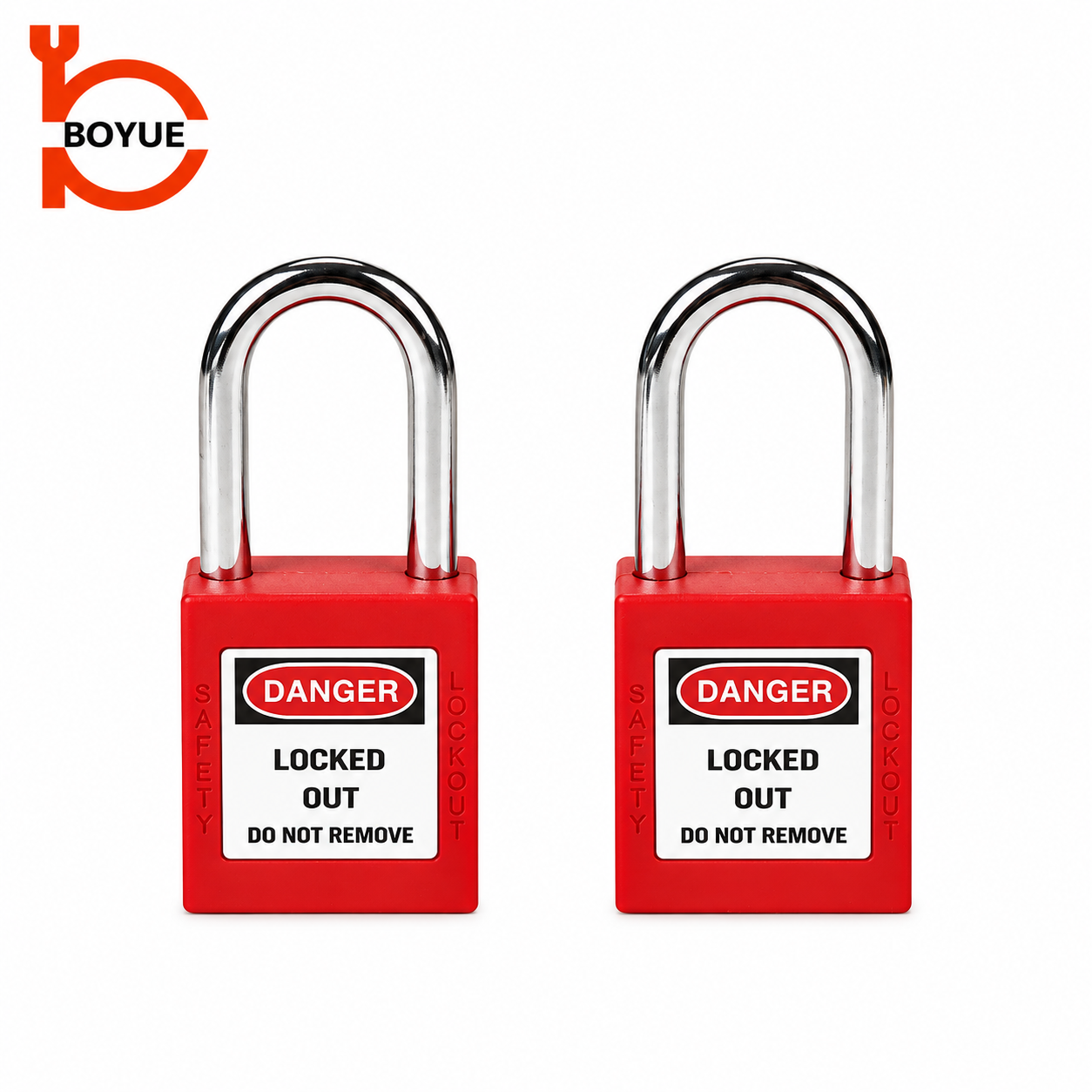
Keep tag identification consistent with the personal device and site procedure. A clear name can still mislead if a tag was prepared for another worker or reused with outdated information. The personal lock identification guide discusses the information needed to relate a device to its assigned user. Avoid color-only identification where people need a specific person or device number.
Make wet-area observations repeatable
Agree on what the reviewer will look for before assessing a sample. Examples include whether the restriction is readable from the normal viewing position, whether handwriting remains distinguishable after approved handling, and whether the attachment area shows damage. These are questions to shape a site-specific review, not claims that a particular tag passed them. Record unexpected effects even if the sample remains readable at the end.
Use suitable controls around any chemical or exposure assessment. The responsible personnel should choose safe methods and consider the supplier’s instructions. Do not mix cleaning products or apply concentrated chemicals in an attempt to create an accelerated test. A casual demonstration can introduce hazards and still fail to represent the service conditions that matter.
If a sample fails, separate the failure mode before choosing another product. A different pen may resolve a writing compatibility issue, while a changed substrate may require a new review of printing and attachment. A replacement with a stronger-looking body does not necessarily fix poor legibility. Ask the supplier to identify changes clearly so the next sample can be evaluated against the same intended use.
Keep available stock separate from rejected stock
Unused tags need protection from contamination and damage before issue. Choose storage where the approved design is easy to identify and rejected material cannot be returned by mistake. Count usable tags rather than counting every tag in the drawer. Old custom artwork and superseded warning legends should be distinguishable from current stock.
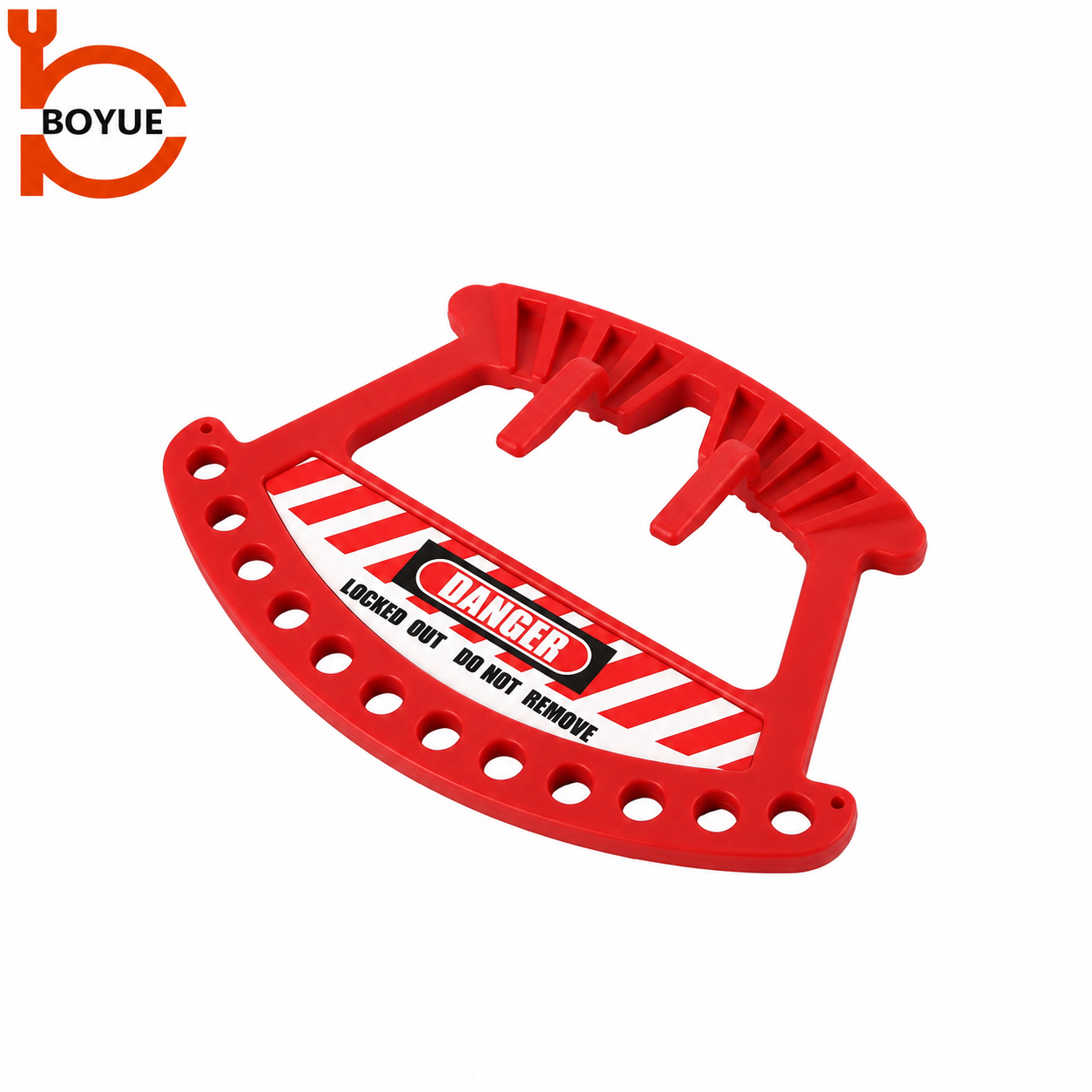
When consumables are replenished alongside locks, make the receiving responsibilities explicit. The person restocking the area should know how to compare the new tags with the approved sample and where to put a questionable batch. The lockout station inspection checklist discusses availability and condition checks for the surrounding supplies.
For repeat orders, include the approved artwork revision, required language, writable fields, marking method and relevant exposure requirements. Ask for notice of changes in coating, printing or manufacturing source that could affect those requirements. Keeping a retained sample can help identify a difference, but the sample should be linked to an actual order or batch so the comparison remains meaningful.
Respond to an unreadable in-use tag through the procedure
Do not treat a damaged tag as permission to operate or remove a device. Report the discrepancy through the site’s authorized process and maintain protection while it is resolved. The correct response depends on the actual isolation arrangement and applicable requirements. A stores worker should not independently replace identification on someone else’s active device.
The station placement guide can help teams think about access to replacement supplies, while the release and replacement decisions remain with the energy-control procedure. SAFEWorkManitoba’s educational video below introduces that wider process; it does not certify tag durability or demonstrate a wet-area test.

Retain a useful sample record
Consider a washdown area where the printed warning remains sharp but a worker name disappears after handling. Recording only that the plastic body survived would miss the relevant failure. Preserve the tag identity, marking method and observation for the responsible reviewer, then reassess the proposed change before placing another order. If a different writing method is approved, ensure the issue point supplies that method consistently. Otherwise a sample can pass with one pen while workers receive another. This is an example of a purchasing question to investigate, not a report of testing on the LT01-06 range.
Frequently asked questions
Does PVC automatically make a lockout tag suitable for washdown?
No. Assess the exact tag, printing, writing method and attachment against the expected exposure and applicable requirements.
Should the handwritten information be included in the sample check?
Yes. An unmarked sample cannot demonstrate whether the information added by workers will remain readable with the approved marking method.
Can an unreadable tag be ignored if the padlock is present?
No. Report the damaged identification through the approved procedure. Do not infer permission to operate, remove or alter an active device.
What should a repeat order specify?
Identify the approved tag model, artwork revision, language, writable fields, marking method, attachment requirements and relevant exposure conditions.