
Butterfly Valve Lockout After Handle Replacement: Recheck the Fit
Butterfly valve lockout after handle replacement needs a fresh compatibility check because the new handle, locking plate or operating mechanism may change how the lockout device is retained. Confirm the valve identity, required position, actual replacement parts and approved isolation method before reusing the previous accessory. A similar appearance or matching pipe size does not prove that the old arrangement still works. This guide helps maintenance and purchasing teams organize that review, identify evidence to request and document the accepted combination without confusing a locked handle with proof that hazardous pressure or flow has been controlled.
Why replacing a handle can change the lockout
A replacement may have a different lever profile, latch, index plate, fastener arrangement or clearance around the valve neck. Even when the valve body remains unchanged, the accessory may contact different surfaces. That can affect whether it seats correctly, whether its closure remains secure and whether a worker can see the position indication. Compare the installed parts with the previous arrangement rather than relying on a catalogue photograph.
Distinguish a like-for-like repair from a conversion of the operating mechanism. Replacing a lever with a gear operator, for example, changes the assembly that must be evaluated. The previous lever accessory cannot be assumed suitable. Obtain current valve and accessory instructions and refer unresolved compatibility questions to the responsible technical personnel. Do not modify the lockout body or remove part of the handle to force an apparent fit.
Also confirm why the handle was replaced. Damage, looseness, incorrect travel or an unreliable indication may have consequences beyond accessory fit. A new handle does not by itself establish that the valve operates correctly or provides an adequate isolation boundary. Those questions belong to the approved maintenance and isolation process, with any required inspection or testing performed by competent personnel.
Identify the valve and the actual replacement
Record the valve tag and location, manufacturer information available on the equipment, operating mechanism and replacement-part identity. Verify which component the position indication describes and how its relationship to the valve is established under the manufacturer’s instructions. Do not assume that the direction of a newly fitted lever independently proves internal disc position. Where identification is uncertain, resolve it before approving the lockout arrangement.
Photographs should show the assembled handle, latch or plate, locking features and adjacent obstructions. Take them under safely controlled conditions. Include a wider view for point identification as well as the detail needed for compatibility review. Do not photograph only the accessory: that hides the interface whose change triggered the review. Keep the previous approved photograph available to explain the difference, while clearly marking it obsolete for operational use.
The BOYUE BUV-01 butterfly valve lockout is the product reference for this article. Its identity does not establish suitability for every replacement handle. Ask for the current product instructions and confirm the exact supplied model. Any stated size or compatibility range must come from verified product documentation and must still be checked against the actual installed assembly.
Review the isolation boundary before the accessory
Start with the maintenance task and the process hazards that can reach it. Consider possible feeds, cross-connections, residual pressure and other energy associated with the equipment. The designated technical personnel must decide which valves or other isolators provide the required boundary. Do not treat a convenient nearby handle as the correct isolation point simply because a lockout accessory fits around it.
The CCOHS lockout guidance calls for equipment-specific instructions identifying energy sources, isolation, stored-energy controls and verification. Apply that planning approach to the changed valve assembly. The review must state the required valve position and how its effectiveness will be verified for the intended work. This article does not specify a universal process-isolation method or authorize opening a pressurized system.
If the job requires a particular standard of separation or additional barriers, a handle lockout cannot replace those measures. Likewise, a closed indication is not proof of acceptable leakage performance. The responsible assessment must address the process medium, operating conditions and work scope. Keep accessory procurement decisions separate from decisions about whether the valve itself is an adequate isolating device.
Assess the complete locking combination
Review the handle, lockout accessory and intended padlock together under the approved safe conditions. Check whether the accessory engages the intended features, whether all parts close normally and whether nearby equipment interferes. Any restraint cable or added component must be part of an approved configuration. Do not assume that wrapping a cable around an arbitrary pipe or bracket creates a suitable anchor.
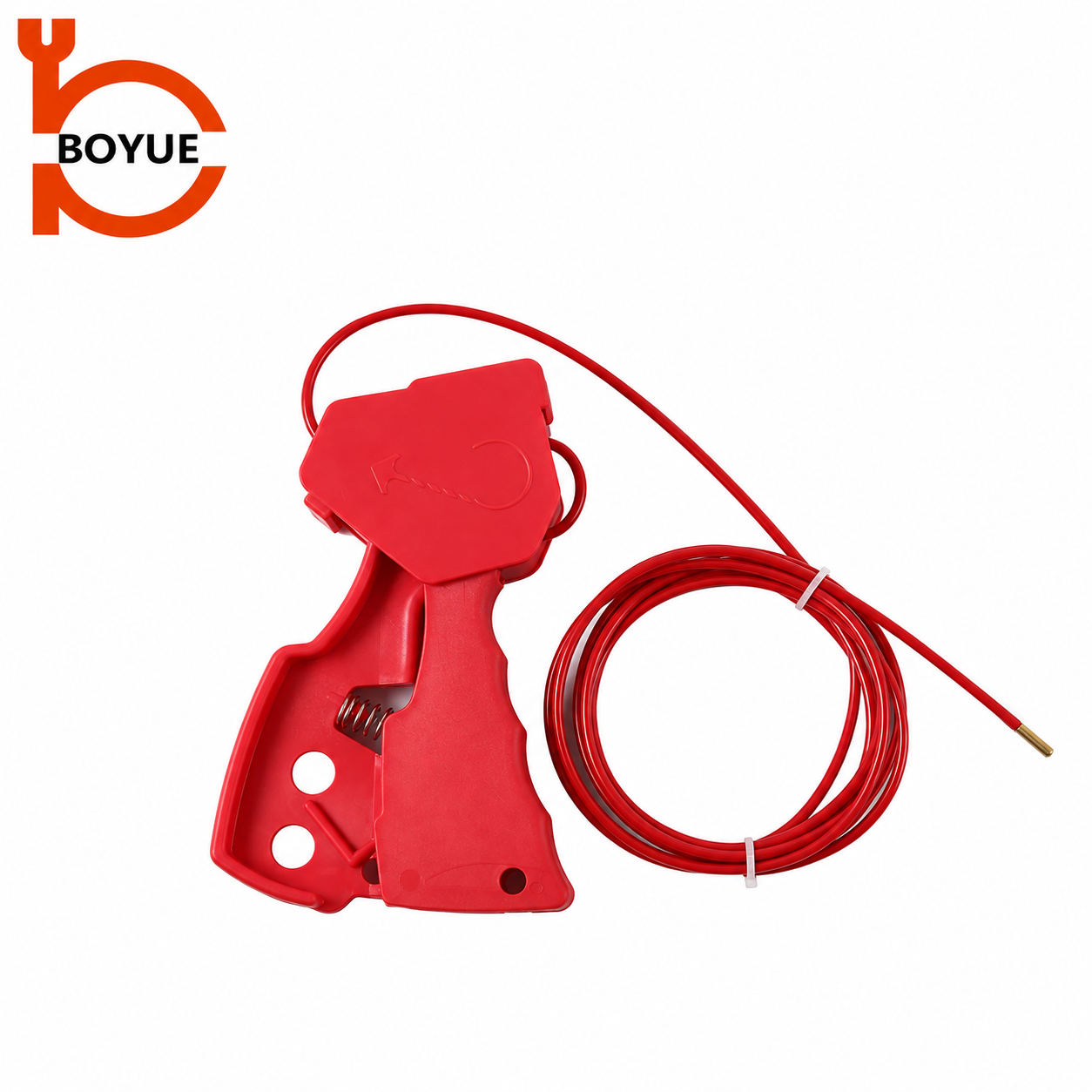
Where the selected method uses a cable accessory, review cable lockout routing as a complementary topic. A routing check deals with the accessory path; it cannot determine the adequacy of process isolation. Record the arrangement actually assessed and avoid presenting an optional cable as a universal requirement of butterfly valve lockout.
Check practical access for the people who will apply personal protection. A replacement handle can reduce clearance, hide a padlock opening or obstruct inspection. Confirm that labels remain readable and that the accepted assembly can be checked without entering an uncontrolled hazard area. If the fit depends on holding a loose part in a special position, stop and resolve the underlying incompatibility instead of documenting an improvised technique.
Record the reapproval decision
This qualitative checklist organizes the review; acceptance criteria must come from the relevant valve instructions, accessory instructions and site isolation program. It does not prescribe universal dimensions, force limits or leakage limits.
| Review item | Evidence needed | Question for approval | If evidence is missing |
|---|---|---|---|
| Valve identity | Valve tag and current equipment record | Is this the isolator assigned to the task? | Resolve point identification |
| Replacement handle | Installed part identification and instructions | Is the assembly correct for this valve? | Refer to the responsible maintenance authority |
| Position indication | Approved method of confirming required position | Does the indication correspond to the accepted state? | Do not rely on handle direction alone |
| Accessory retention | Review of the actual complete combination | Can the designated state be secured as intended? | Assess another approved arrangement |
| Stored pressure | Task-specific control and verification instructions | Are relevant trapped or returning energies addressed? | Reassess the isolation method |
| Worker access | Check of locking, labeling and inspection space | Can personal protection be applied and checked safely? | Resolve access before approving use |
Keep the reviewer, date, procedure revision and accepted model combination with the decision. If the same valve type appears elsewhere, do not automatically copy approval to every location. Surrounding pipework, insulation, obstructions and replacement parts may differ. A repeatable review can use a common template while still identifying the actual point and any location-specific restrictions.
Verify the energy state through the approved method
Once the correct isolation arrangement has been established, verification must address the hazards of the task. The NIOSH hazardous energy control resource guide provides a broader framework for planning and checking energy-control procedures. Its guidance does not certify the BUV-01 or determine whether a particular butterfly valve is sufficient for a process job.
The appointed personnel must resolve how pressure is safely released, where it can remain and whether it can reaccumulate. A single gauge reading or the apparent absence of movement may be insufficient for the actual system. Follow the equipment-specific method and relevant requirements. If observations contradict the expected isolated condition, suspend the affected work and investigate while maintaining appropriate protection.
Maintain the required controls while reviewing the change. Do not remove active locks, alter an in-service isolation or reposition a valve merely to demonstrate accessory fit. Any necessary testing, positioning or temporary energization requires its own authorized sequence and protection arrangements. A purchasing demonstration is not an exemption from the site’s hazardous-energy program.
Prepare the handover and purchasing record
Update the point photograph, model reference and installation description in the controlled instructions after approval. Explain to authorized employees what changed and which previous instructions should no longer be used. Include restrictions that affect the work, such as a different access direction or a revised accessory combination. Keep the record specific enough that the next maintenance team can reproduce the accepted configuration without guessing.
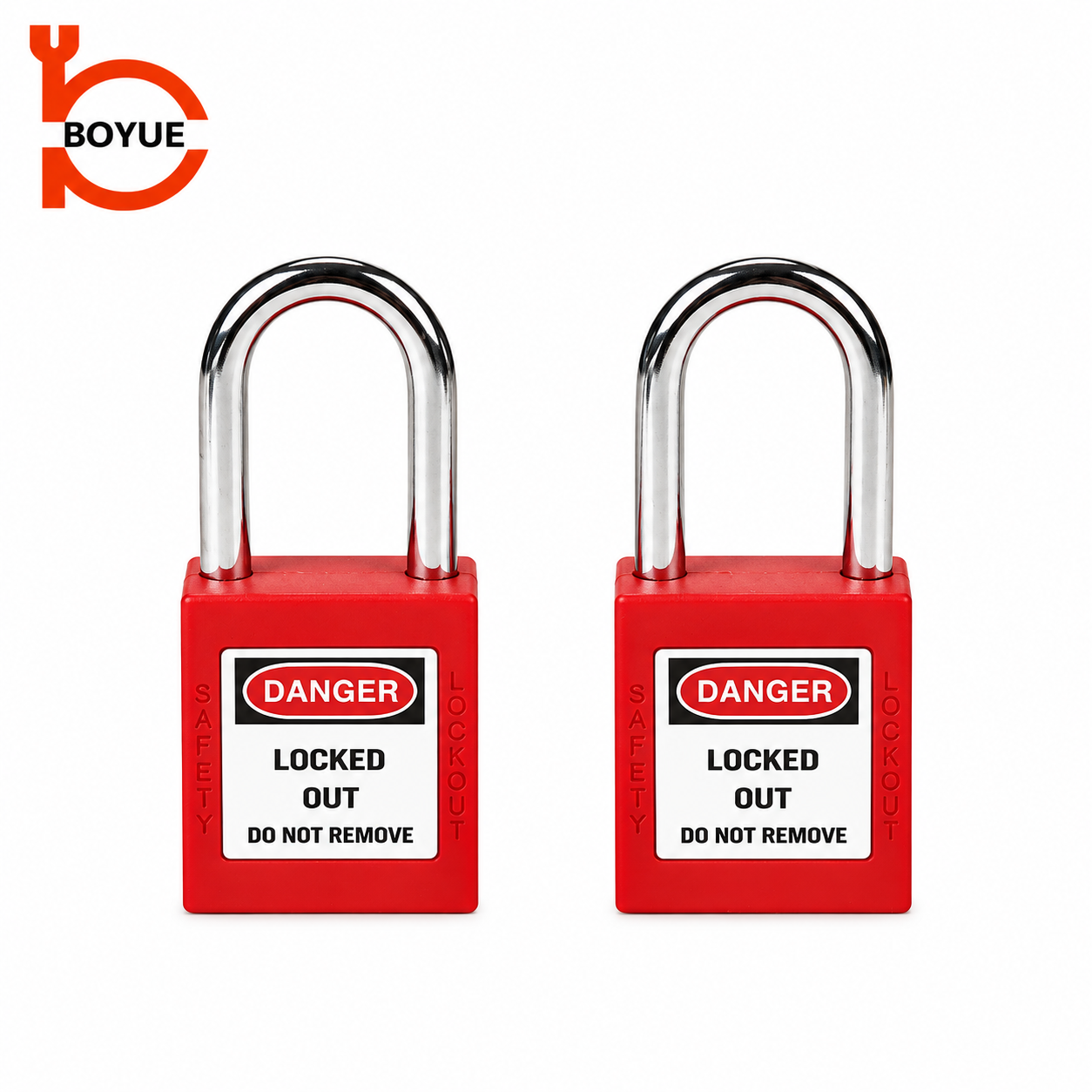
For a replacement enquiry, provide the valve tag, installed-handle information, relevant measurements, surrounding-clearance photographs and intended lock arrangement. Request compatibility evidence and current instructions rather than asking for a device that fits every valve. The butterfly valve lockout selection guide covers the initial selection question, while butterfly valve lockout inspection covers ongoing condition checks after an arrangement has been approved.
Training resource
SAFE Work Manitoba’s general lockout video can support discussion of the overall energy-control sequence. It does not demonstrate approval of a replacement butterfly valve handle or any BOYUE accessory. Use it as background education alongside the actual valve instructions, approved procedure and practical training for the assigned workers.
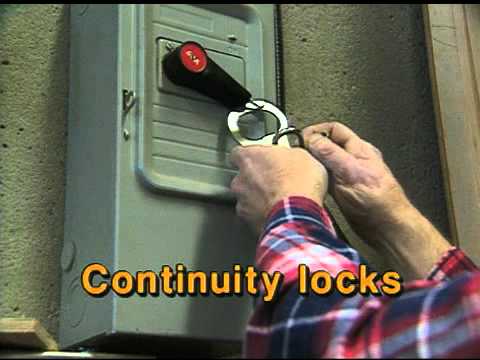
Watch Lock Out Procedures by SAFE Work Manitoba.
Frequently asked questions
Can the old lockout be reused after a like-for-like handle replacement?
It may be suitable, but confirm the actual installed assembly and review the complete combination before reuse. Part identity, correct installation, clearance and the equipment-specific isolation method all matter. A matching description on a purchase order does not replace those checks.
Does a matching valve diameter prove accessory compatibility?
No. Handle geometry, latch or plate design, available locking features and nearby obstructions can differ on valves of similar nominal size. Use verified product information and the installed assembly to assess fit instead of relying on pipe size alone.
Does locking the handle prove pressure has been removed?
No. Securing a designated position and verifying a safe energy state are separate parts of the procedure. The approved method must address relevant residual pressure, possible reaccumulation and the adequacy of the process-isolation boundary for the work.
What if the new handle fits but the position indication is uncertain?
Do not approve the arrangement on fit alone. Have the responsible personnel resolve the relationship between the indication and the required valve state using the applicable instructions and maintenance process before authorizing the affected work.