
Circuit Breaker Lockout Inspection: Clamps, Threads and Withdrawal Checks
Circuit breaker lockout inspection checks whether the locking accessory is complete, undamaged and able to remain secured on its approved breaker application. Inspect the body, gripping surfaces, adjustment parts and padlock opening before issue and use. Withdraw a device with cracks, stripped adjustment parts, missing components or uncertain retention. A sound-looking clamp does not prove that a circuit is de-energized: authorized personnel must still follow the equipment-specific isolation and verification procedure. This guide concerns the removable lockout accessory, rather than maintenance of the breaker itself or instructions for working inside an electrical panel.
Separate three decisions before inspecting
First establish whether the correct device has been selected. Second establish whether that particular device remains in usable condition. Third establish whether the equipment has been isolated and verified for the intended work. These decisions depend on one another, but none replaces the next. A new accessory can be unsuitable for a particular handle; a correctly selected accessory can become damaged; and a correctly secured handle can leave another energy source uncontrolled.
For initial geometry and selection, use the separate clamp-on circuit breaker lockout fit guide. The checklist below starts after the intended model and application have been identified. It avoids assigning a universal torque, force or service life to different lockout designs.
OSHA’s electrical safety work-practice requirements address electrical de-energization and verification. Their application depends on the work and installation. This article is a hardware condition aid and does not provide an electrical testing method or authorize access to exposed conductors.
Identify the accessory and its approved application
Record the model, storage identifier and intended breaker location. Compare the item with the current manufacturer’s instructions rather than an unlabelled device in a shared bag. Similar red bodies can conceal different jaw profiles, screws or retention arrangements. Do not assume that components can be exchanged because they appear to fit.
The BOYUE CB-07, CB-08 and CB-09 clamp-on family provides a relevant product reference. Confirm the exact supplied variant before using a family photograph as an inspection aid. The illustration does not establish compatibility with every molded-case breaker or certify an installation.
If a previous record identifies an approved breaker, check that the breaker and surrounding arrangement have not changed. Replacement equipment, new handle extensions or altered panel clearances can invalidate an old fit decision even when the accessory is undamaged. Route that situation back to selection review instead of passing it as a routine condition check.
Examine the body and contact surfaces
Inspect the clean, uninstalled accessory where this can be done safely. Look around thin sections, locking ears, corners and adjustment supports. A crack near a loaded feature matters even if the device can still close. Distortion, melted areas or a part that no longer aligns with its mating surface also require withdrawal pending competent assessment.
Remove loose dirt only by the manufacturer’s permitted cleaning method. Do not scrape away material, enlarge an opening or use an unapproved solvent to make the item look serviceable. If contamination conceals the surface or prevents normal movement, the inspection is incomplete until that condition is resolved.
Gripping faces deserve separate attention. Material loss, embedded debris or an altered contact profile may change how the device retains the handle. A cosmetic scuff on an unloaded surface is different from damage at a contact point, but a photograph alone cannot reliably decide the remaining strength. Where the manufacturer gives no acceptance criterion, hold an uncertain item for review rather than inventing one.
Check adjustment parts without improvised repairs
Move the adjustment mechanism only as permitted for the model. It should behave consistently with its instructions and a known serviceable example of that same variant. Note binding, slipping, excessive looseness, missing pieces or a wheel that turns without producing the expected movement. Never keep tightening to hide a retention problem.
Do not apply a universal torque from another product. Some devices use a tool, others use a hand-operated wheel, and the allowable method belongs to the actual accessory. Replacing a screw with a convenient workshop fastener can change travel, engagement and closure. Only an authorized replacement process using confirmed parts can resolve such a defect.
Record what happened instead of writing only “loose.” For example, “adjustment wheel rotates but jaw position does not change” describes an observable fault. It helps a supervisor distinguish component wear from an incorrect installation method and helps purchasing obtain the right replacement.
Inspect the personal lock interface
Check that the locking opening is intact and that the specified padlock can engage without forcing or interfering with the accessory. A shackle that enters an opening is only the start of the check. Confirm that the closed lock prevents the intended release action according to the model instructions and does not create a misleading appearance of security.
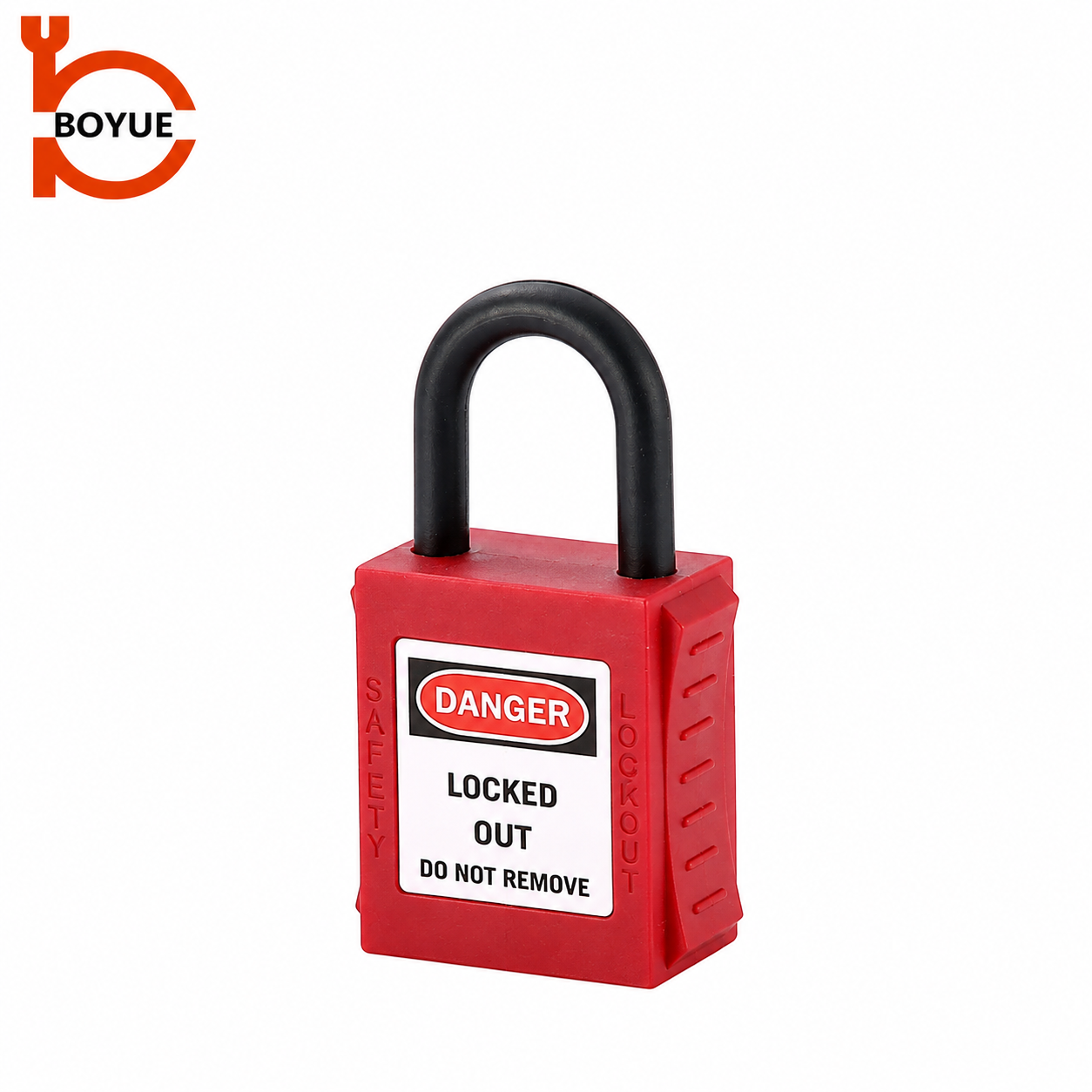
A padlock with an insulating shackle is a distinct product choice; its appearance is not permission to work on live equipment. Check its documented application, dimensions and condition separately. Do not infer an electrical protection rating from the red body or black shackle shown in an illustration.
Review ownership and key control as well. An accessory cannot provide reliable personal protection if the associated lock cannot be identified or its key arrangement conflicts with the site procedure. Keep these questions separate from the physical condition decision so a good clamp is not used to excuse an unsuitable lock.
Use a specific inspection decision table
The following qualitative table is an original hardware-screening aid, not a manufacturer tolerance specification. The broader CCOHS lockout guidance explains why device placement belongs within an equipment-specific control process. Apply the manufacturer’s criteria whenever they are more specific.
| Observation | What to establish | Disposition before issue |
|---|---|---|
| Crack at a locking ear or adjustment support | Whether a loaded feature is damaged | Quarantine; obtain a confirmed replacement or manufacturer decision |
| Adjustment binds or slips | Whether correct parts and permitted operation can be confirmed | Hold; do not force, substitute parts or add packing |
| Dirt hides the gripping face | Whether approved cleaning exposes an intact surface | Reinspect after permitted cleaning; otherwise hold |
| Body is sound but application changed | Whether current breaker geometry is approved | Return to selection review |
| Padlock enters but release remains possible | Whether lock and accessory engage as intended | Reject that arrangement; verify the specified combination |
| No visible defect and documented fit remains valid | Whether all remaining procedure checks are satisfied | Eligible for issue, subject to installation and isolation verification |
Verify retention within the authorized procedure
Condition inspection on a bench cannot prove installed retention. Authorized personnel must follow the manufacturer’s installation and checking instructions on the approved application, within the site’s safe work arrangements. Do not open a panel or approach electrical hazards just to complete a storage checklist.
Check that the accessory remains in the intended position and prevents the prohibited handle operation using the documented check. Do not invent a pull test, use tools to challenge the assembly or apply force that might damage the breaker. If the correct check cannot be performed safely, stop and resolve access or procedural issues.
Retention is also different from absence of energy. A label reading “off,” a stationary motor or a locked handle does not independently verify the state at the work location. Multiple supplies, stored energy and related equipment must be addressed by the responsible personnel and the applicable electrical safety procedure.
Quarantine failures and record useful evidence
Separate withdrawn accessories from ready stock immediately and identify the reason. A defective item left beside usable items can be reissued by someone who never saw the inspection record. Record the item identifier, model, observed defect, date, reviewer and intended application; photographs can support the description without replacing it.
If a defect is discovered during active protection, do not remove the existing arrangement casually. Stop exposed work, maintain protection and involve the designated responsible person under the site procedure. The replacement sequence must preserve protection throughout. Returning an accessory to a storage station is a later administrative action.
For associated lock condition, use the complementary safety padlock inspection checklist. Personal locks need their own acceptance decision even when the breaker accessory passes.
Build the replacement request around the failure
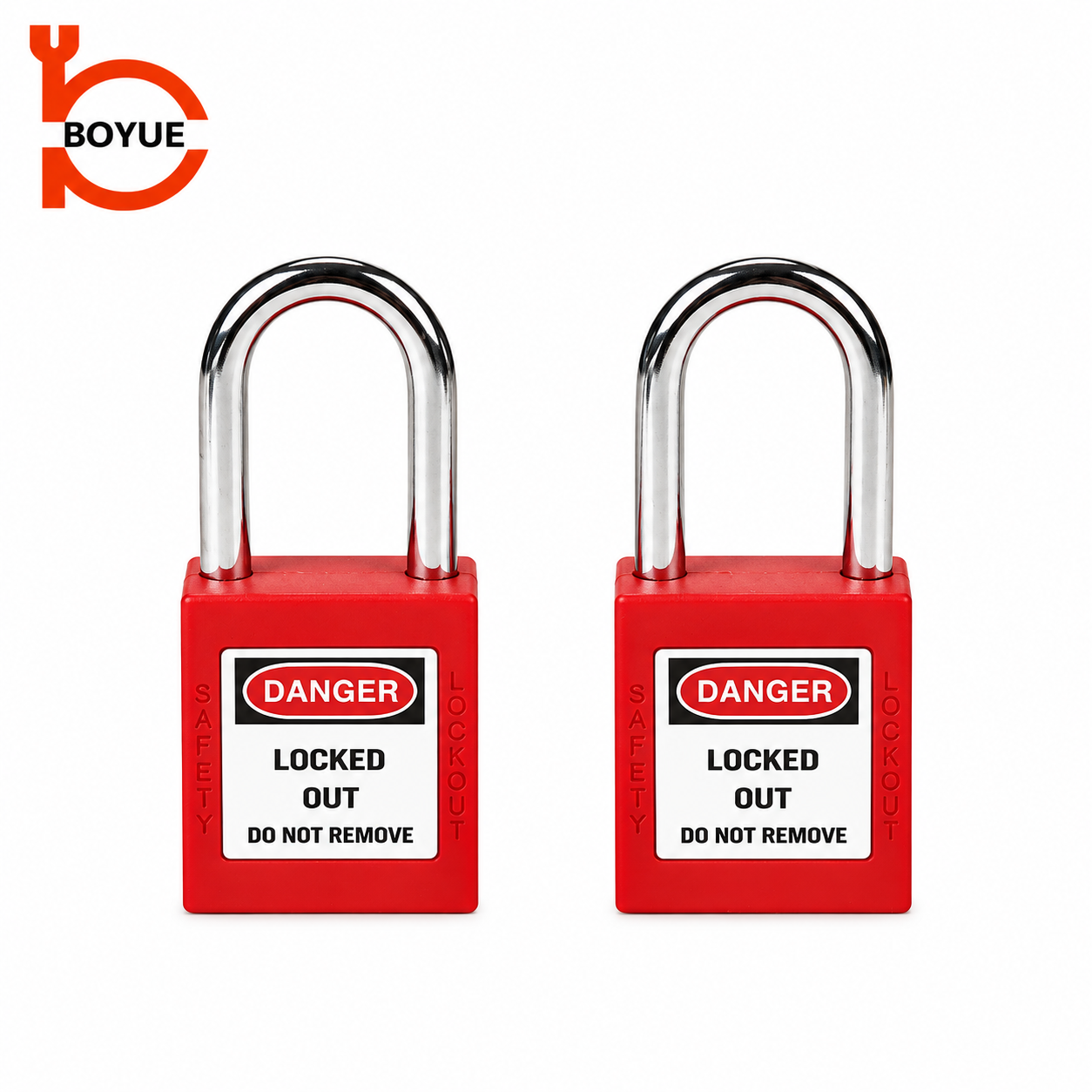
Send purchasing the exact accessory model, breaker identification, current instructions and photographs showing the contact arrangement without exposing personnel to hazards. State whether the problem was physical damage, missing components, a failed retention check or a changed application. These require different responses and should not become one generic request for “more red locks.”
Request confirmation of the supplied variant, replacement-part policy and application limits. Ask for the permitted cleaning and storage instructions where contamination caused the failure. Do not turn an inspection observation into an unsupported claim about chemical resistance, temperature range or certification.
After replacement, inspect the received item and complete the appropriate fit and installation checks. Retain the withdrawal record so recurring faults can be investigated. Repeated damage may indicate poor storage, misuse or an unsuitable application; replacing the hardware repeatedly without investigating the cause leaves that issue unresolved.
For work involving several authorized employees, the group lockout procedure explains the wider coordination framework. Hardware inspection does not replace the individual protection arrangements in that framework.
Further learning: the complete energy-control process
The SAFE Work Manitoba video below introduces the overall lockout process. Use it to explain why a hardware inspection is only one part of preparation. It does not demonstrate installation of the BOYUE clamp family or replace electrical training, manufacturer instructions or the employer’s procedure.
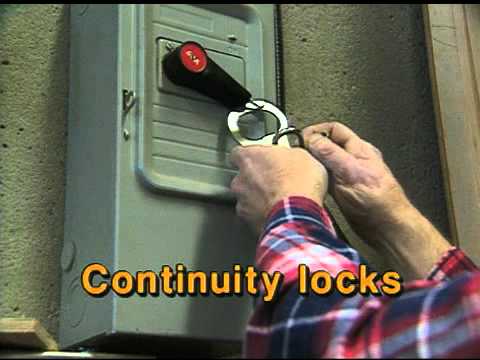
Watch Lock Out Procedures by SAFE Work Manitoba.
Frequently asked questions
Is a tight clamp enough to pass inspection?
No. Confirm identity, body condition, adjustment function, locking interface and the documented application. Tightness alone can hide wrong fit or damaged parts, and it does not establish that the equipment is de-energized.
Can a stripped adjustment screw be replaced from workshop stock?
Only through a confirmed manufacturer-approved repair process using the correct parts. An apparently similar screw can change engagement or travel. Quarantine the accessory while that decision remains unresolved.
Should every cosmetic mark cause immediate disposal?
Use the manufacturer’s acceptance criteria and the location of the mark. Cosmetic damage is different from damage to a loaded or locking feature. If the distinction cannot be established, hold the item for review instead of guessing.
Does passing inspection authorize electrical work?
No. It establishes only a hardware condition decision for the identified application. Appropriate authorization, isolation, control of other energy and verification under the applicable work procedure are still required.