
Padlock Rack Inventory Control: Track Issue, Use and Return
Padlock rack inventory control means knowing which lock is available, which has been issued, which is in use and which has been held out of service. Count and identify devices rather than treating every empty rack position as a missing lock. A rack organizes hardware; it does not prove that a machine is safe to restart or that everyone has finished work. Build a simple issue-and-return record around the employer’s personal-lock policy, then reconcile differences through the authorized process. This guide focuses on stores and maintenance accountability, separate from rack sizing and the release of active isolations.
Define what the rack holds
Start by distinguishing unassigned replacement stock from locks assigned to named workers or defined roles. A rack used for new stock has different records from a carrier holding a worker’s personal devices. Mixing these categories makes a count misleading: a returned personal lock can be mistaken for an unassigned spare, or a rejected lock can be issued because it occupies an available position.
The BOYUE PF-01 portable padlock rack illustrates a physical storage component. Its capacity and shape describe hardware organization, not the rules for issuing personal locks. Confirm the exact product and actual lock configuration when ordering. For capacity and handling questions, use the separate padlock rack selection guide.
Write a short description of the rack’s purpose where the responsible team can find it. For example, it may hold approved unissued stock for a particular department, while personal locks remain under their assigned workers’ control. The site must choose and approve that arrangement. The important purchasing point is to avoid letting the presence of a rack silently create a new key-access or lock-sharing policy.
Use individual identity rather than a color count
Two identical red locks can belong to different people and have different keys. A record that says “three red locks out” cannot reliably resolve a later discrepancy. Use the identity required by the employer’s program, such as a controlled device number linked to its assignment. Keep the record legible and accessible to the people responsible for issue and reconciliation.
For covered U.S. general-industry use, 29 CFR 1910.147 addresses identification and device use within an energy-control program. A stores register can support that program but cannot replace its requirements. Define the record as an accountability aid so that nobody interprets an inventory entry as authorization to remove a lock.
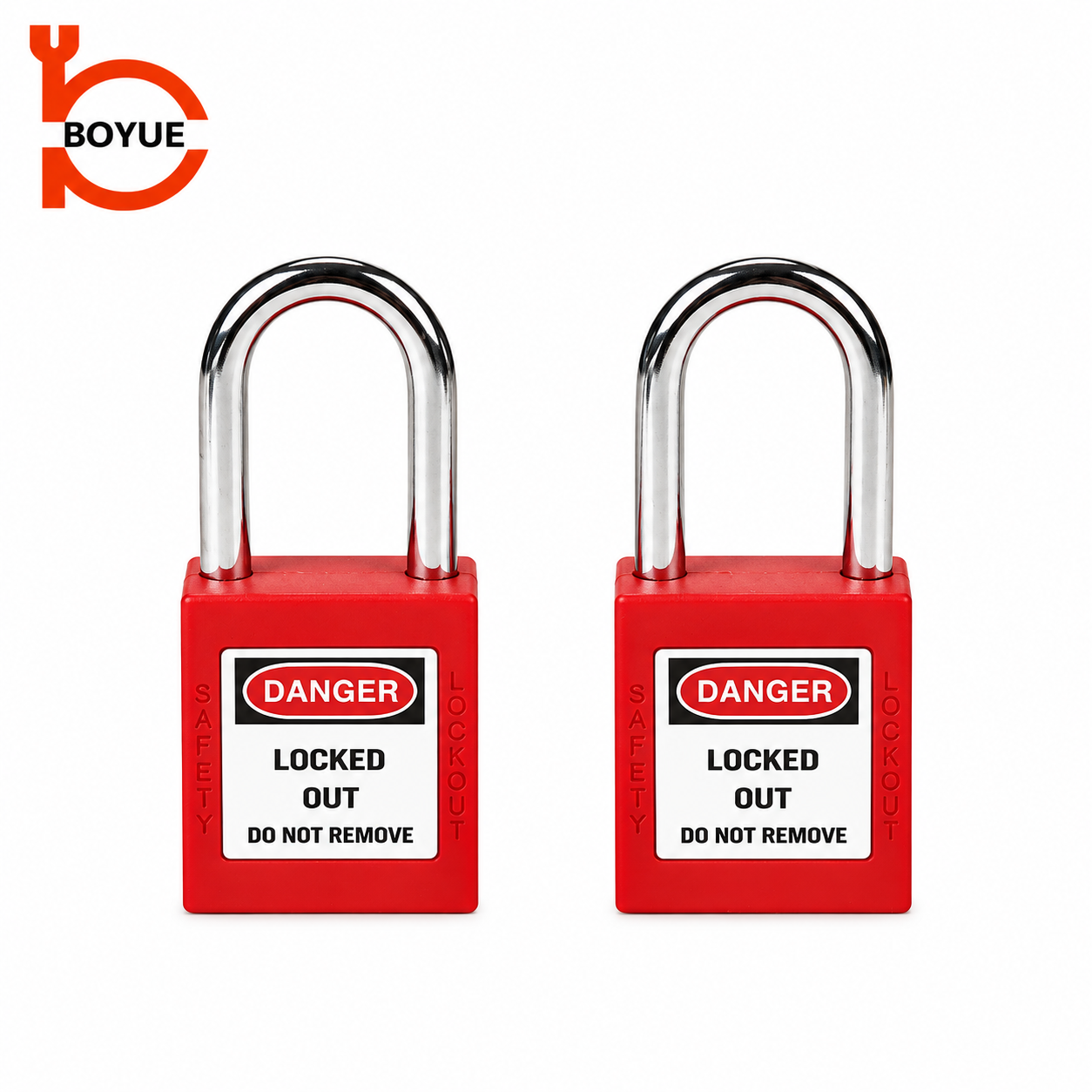
Before a new batch enters stock, reconcile its identifiers with existing records. Avoid reusing a retired number while older paperwork or equipment may still refer to it. If the supplier provides numbering or engraving, compare the received devices with the approved list. A readable marking is useful only when it points to the correct current record.
Keep the record short enough to use
| Field | What to record | What it must not imply |
|---|---|---|
| Device identity | Unique identifier and exact approved model | Color alone establishes ownership |
| Assignment | Person or role permitted by the site program | Anyone may borrow an assigned personal lock |
| Stock state | Available, issued, held for review or retired | An empty position proves a device is lost |
| Issue or return | Date, responsible person and relevant reference | Return authorizes equipment restoration |
| Condition | Receiving or return check and unresolved defects | A returned item is automatically ready for reuse |
| Discrepancy | Reported issue, responsible reviewer and outcome | Stores personnel may remove an active lock |
These fields are a starting point for an approved local record, not a prescribed legal form. Avoid collecting information that nobody uses while omitting the device identity needed to resolve a difference. A paper register can work when the team uses it consistently. A digital register does not improve control if several people can change assignments without a clear responsibility.
Distinguish available, issued and in-use devices
An issued lock may be with its authorized user without currently being attached to equipment. An in-use lock may be protecting active work and must remain subject to the energy-control procedure. The inventory system should avoid collapsing those states into a single “missing” category. Ask the user or designated supervisor to resolve the status through the approved communication process.
The NIOSH hazardous-energy resource guide discusses the broader program and personal control arrangements. Use that context when designing stock records. Do not create an inventory shortcut that makes another person’s key available to stores staff simply because the lock appears overdue for return.
Where the site uses a separate record for active isolations, define how the stores team raises a query without altering that record or the protection. A reference can help the designated reviewer find the job. It should not encourage the stores team to decide whether work is complete based on a date entered when the lock was issued.
Reconcile an empty position without assuming a loss
Begin with the register and the rack’s intended stock category. Check whether the device was issued, transferred through an approved process, held for inspection or retired. Record the difference before changing the count. If a person confirms possession, use the approved assignment process to update the record; do not simply erase the discrepancy without identifying the device involved.
If the location remains unknown, notify the designated reviewer and follow the site’s missing-device process. Do not use a spare key to investigate an active lock or authorize removal through a stock adjustment. The physical location of a worker’s lock and the status of the associated work require the appropriate operational review. Inventory staff can provide evidence while keeping those decisions with authorized personnel.
Repeated differences can reveal a process problem. For example, the issue point may be unmanned at shift change, or rejected devices may be placed back on the rack. Review the pattern with the team and correct the handoff or storage arrangement. Increasing the stock quantity can hide the immediate shortage while leaving the accountability problem intact.
Review returned devices before restocking
A returned device can have damaged identification, contamination or a mechanical concern. Use the site’s approved condition check and separate questionable items from available stock. The safety padlock inspection checklist discusses relevant observations. Do not attempt unauthorized repairs or mix parts from different locks to make a complete-looking replacement.
Record why a device is held for review and who will decide its disposition. A loose note saying “bad lock” may be separated from the item during handling. A controlled identifier and a clear hold location help keep the concern attached to the device. When a lock is retired, update the register so that a future count does not treat it as an unexplained shortage.

The distinction is especially important when replacement locks are issued during group work. The group lockout box overview explains the broader group arrangement. Any change affecting active personal protection must follow that procedure. Issuing a replacement from stock does not by itself authorize taking an existing device off a box.
Set a review routine around actual use
The employer should choose a reconciliation routine suited to the stock flow and risk. A busy issue point may need checks associated with handovers, while a small controlled reserve may operate differently. Do not invent a universal daily or weekly requirement. Define who reviews the count, which records they compare and how unresolved differences are handed over.
Use the result to improve the purchasing request. Record shortages by approved model and configuration, distinguish rejected items from genuine demand, and preserve the required keying and identification arrangements in repeat orders. A count of all padlocks together can lead to ordering a convenient variant that does not fit the approved accessories.
Keep stock readiness separate from equipment clearance in training and signage. Workers should understand that a full rack means a particular stock condition, while an empty rack means a question to reconcile. Neither condition establishes whether a machine may operate. SAFEWorkManitoba’s video below provides broader education on the lockout process and reinforces why records and hardware have to support the actual procedure.

Make the handover understandable to the next person
Consider a rack with one empty position, a lock in the inspection hold area and another issued to an authorized worker. A total count alone can conceal whether the reserve is ready for the next job. At handover, identify the specific held device, the recorded assignment and the person handling the unresolved difference. That information lets the next custodian continue the review without treating the rack as an active-isolation clearance board. Keep any operational question with the designated supervisor, and record the inventory outcome only after the relevant facts have been reconciled.
Frequently asked questions
Does an empty rack position mean a padlock is lost?
No. Reconcile the device identity against issue, assignment, inspection and retirement records before deciding its status.
Can a stock register authorize removal of an active lock?
No. Removal and release decisions remain subject to the employer’s authorized energy-control procedure.
Should returned locks go straight onto the available rack?
Follow the approved condition and assignment checks first. Keep questionable or rejected devices separate from ready stock.
How often should the rack be counted?
The employer should define a routine suited to actual stock use, handovers and risk, with a named person responsible for resolving differences.