
Gate Valve Lockout After Valve Replacement: Reapprove the Arrangement
Gate valve lockout after valve replacement needs a new review of the installed arrangement before the previous device and procedure are accepted again. A replacement with the same pipe connection can have a different handwheel, stem projection, operator or access envelope. Confirm the actual valve identity and isolation function, check the approved lockout cover and personal lock on that assembly, then reconcile the procedure and purchasing record. This guide concerns that change review. It does not authorize valve replacement, pressure release or line opening; those activities require the employer’s task-specific controls and qualified personnel.
Why an unchanged pipe size does not close the review
A purchase order often describes a valve by its process connection and service requirements. Those details matter to engineering, but they do not describe every surface that a lockout cover must surround. A wheel can become deeper, a stem can project farther, or nearby pipework can restrict how a shell opens. Reusing the old accessory because the valve occupies the same location can therefore miss the relevant change.
Separate the review into two questions. First, does the approved isolation arrangement still protect the stated maintenance task? Second, does the proposed locking accessory work with the installed hardware? A positive answer to the second question cannot establish the first. A cover can restrict handwheel access without demonstrating the condition of the valve internals or the absence of hazardous material downstream.
The NIOSH hazardous energy control resource guide emphasizes reviewing and authorizing safety implications when energy-control work processes or procedures change. Apply that principle to the replacement package, rather than treating the lockout accessory as an unrelated stores item.
Define what changed before ordering a cover
Start with the replacement record, current equipment identifier and the approved work boundary. Record whether the entire valve, the operator, the wheel or only another component changed. The reviewer needs enough detail to understand which previous assumptions remain valid. A photograph without an equipment identifier can be useful for shape comparison but is weak evidence for approving a particular location.
Obtain the current manufacturer information for the installed valve and operator. If the new assembly includes powered actuation or another energy source, refer that change to the person responsible for the isolation method. Do not assume that enclosing a manual wheel addresses an actuator supply. Similarly, a modification to a drain or bypass belongs in the isolation review even when the visible wheel remains unchanged.
For the accessory itself, the BOYUE GV-01–GV-06 gate valve lockout range provides a product family to evaluate. The family name does not identify the correct size for every replacement. Keep the chosen variant, supplier confirmation and application approval together in the equipment record.
Review the installed envelope, not a loose wheel
Compare the old and new assembly using a repeatable measurement record. Include the handwheel profile, surrounding clearance, stem position relevant to the approved locked condition and the space needed to close the cover. Note obstructions that a loose sample on a bench would not reveal. Record actual units so a later buyer does not reinterpret an unlabelled measurement.
Use the existing gate valve lockout sizing guide for the measurement questions. The purpose here is deciding when previous sizing evidence no longer applies. A replacement that appears nearly identical still needs a documented comparison where the original approval depends on clearances that may have changed.
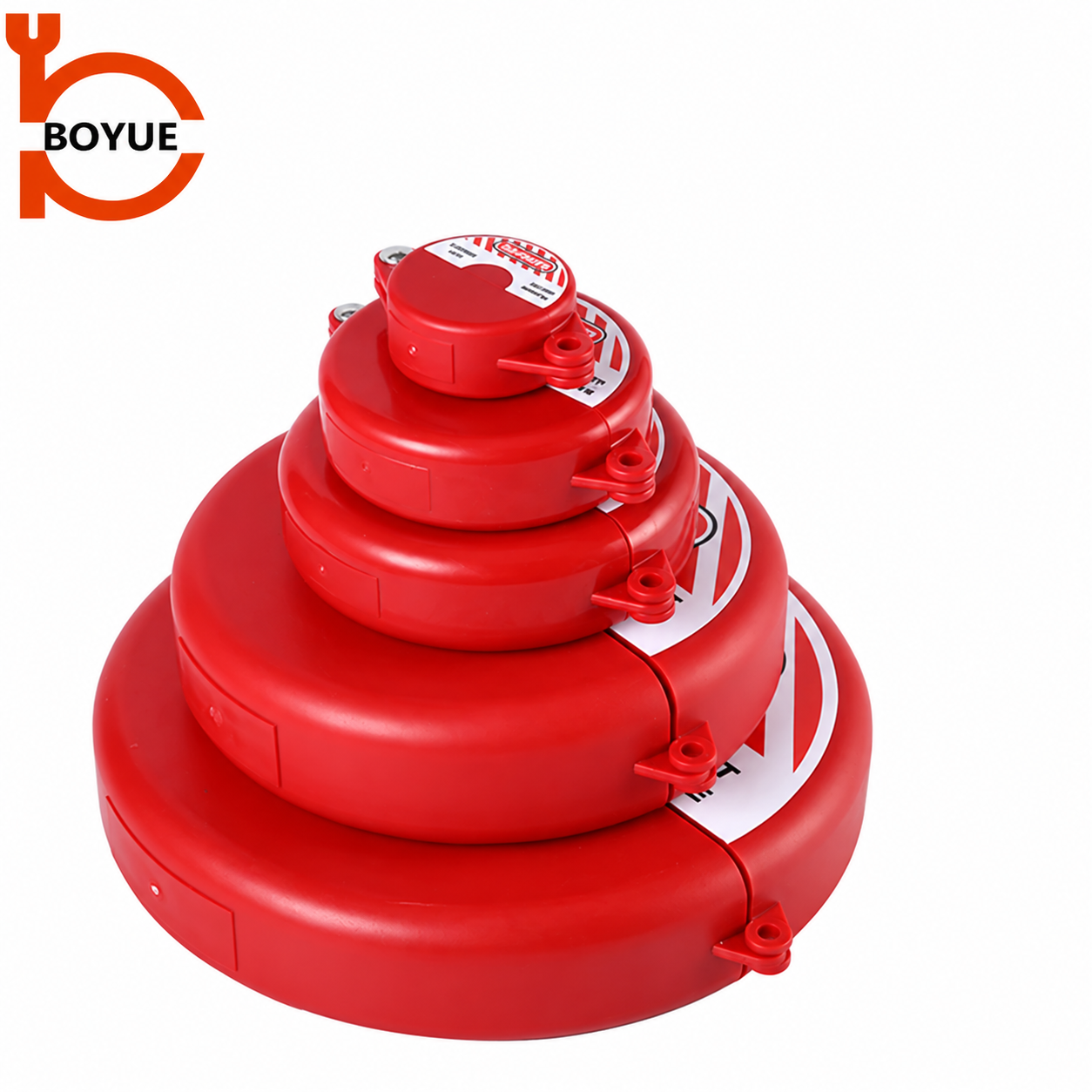
A photograph of a nested size family helps explain why a product range contains alternatives. It cannot establish the wheel’s dimensions or prove that a cover will close around an installed stem. Ask for the selected variant and a sample assessment when the documented fit information does not resolve the application.
Use a change-review decision record
The following table is a practical review aid, not a set of certified product limits. It separates a physical difference from the evidence needed to resolve it. The safety basis remains the approved energy-control procedure and the applicable requirements in 29 CFR 1910.147.
| Replacement finding | Question to resolve | Useful record before release |
|---|---|---|
| Wheel profile differs | Does the specified cover enclose the complete profile? | Current measurements and exact accessory variant |
| Stem projects farther | Can the cover close as designed in the approved condition? | Installed-assembly assessment and manufacturer guidance |
| Operator type changes | Does the existing isolation method still address all energy sources? | Responsible engineering or safety review |
| Pipework limits access | Can the cover and personal lock be fitted without alteration? | Identified location photographs and fit decision |
| Equipment label moves | Do the procedure and field identifier still refer to the same point? | Reconciled identifier and controlled document revision |
| Existing cover is damaged | Is a sound approved replacement available? | Held-device record and replacement acceptance |
Do not resolve an unfavourable fit by cutting a shell, enlarging a lock opening or removing a protective feature. Refer the problem for an approved alternative. A field modification changes the accessory being evaluated and can make the original product information irrelevant.
Check the lock as part of the complete arrangement
The personal padlock is a separate component of the fit review. Confirm that the intended shackle passes through the designated locking features, closes fully and leaves the lock body accessible as required by the documented application. A cover that works with a supplier’s demonstration lock may not work with the site’s issued lock.
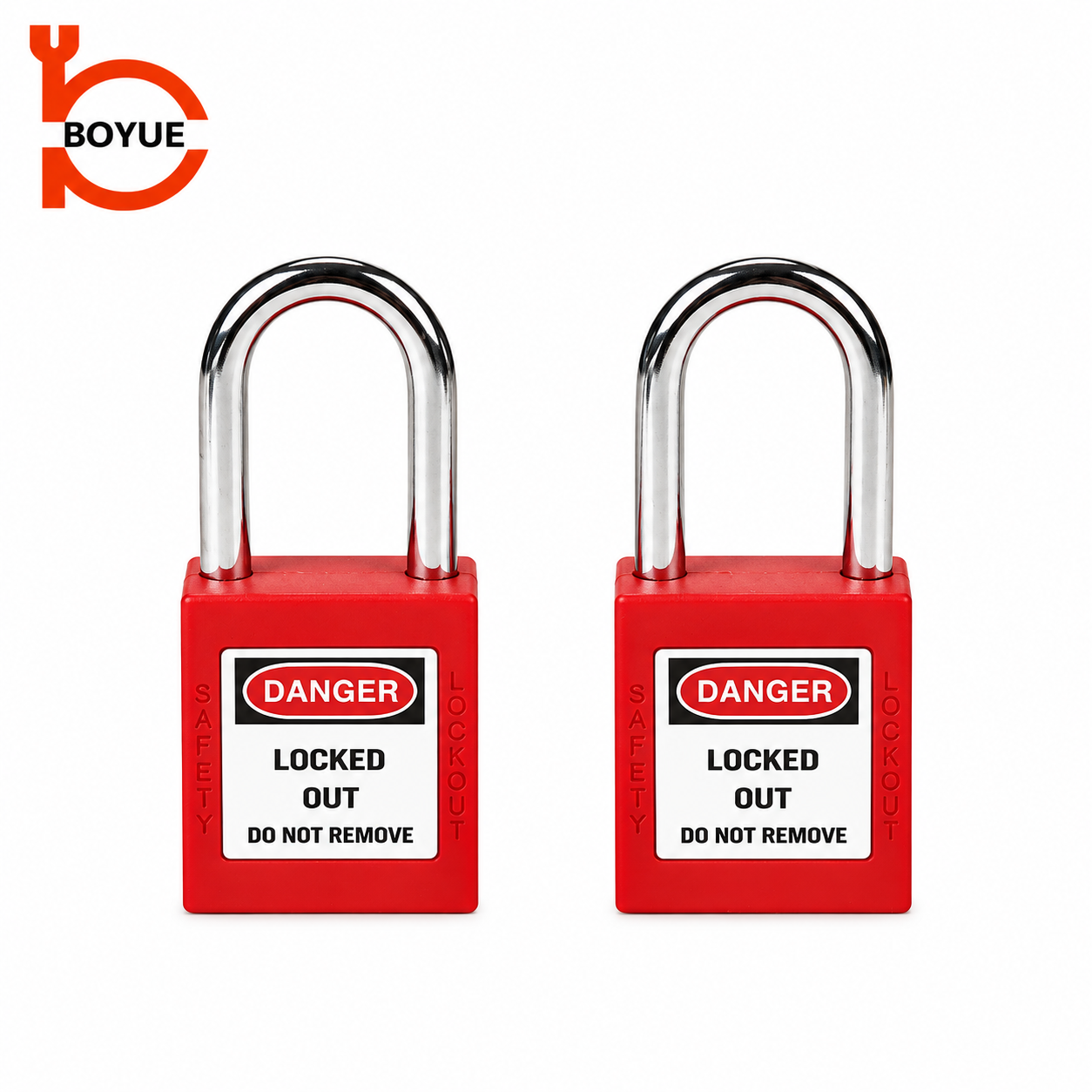
Keep the lock identity and key arrangement under the site’s control. Do not substitute a convenient stores lock solely to make the sample close. Where several people are involved, the approved group method must define their protection; adding accessories informally is not a replacement for that method. Record any approved combination clearly enough that receiving staff can reproduce it.
The result should describe the whole accepted configuration. For example, retain the equipment identifier, cover variant, relevant wheel measurements, issued lock type and reviewer. Avoid a note that merely says “red valve lock approved,” because color does not distinguish size, material or the exact combination assessed.
Update the procedure before the next affected job
Compare the current written steps, diagrams and photographs with the replacement. A photograph showing the old wheel can confuse a worker even when the new wheel is at the same location. A revised label may also break the connection between the field point and an older job package. Resolve those discrepancies through the site’s controlled-document process.
The isolation-point identification guide addresses matching a drawing to the field. Use that work as an input to the change review, while keeping task authorization with the designated responsible person. A clear label helps people find the intended point; it does not independently establish an effective isolation.
Identify who needs communication or training before using the changed arrangement. The U.S. general-industry standard includes retraining triggers associated with relevant equipment, hazard and procedure changes. The employer must determine the applicable obligations for its workplace. Do not wait for a calendar review to resolve a known mismatch affecting the next job.
Keep commissioning evidence separate from later lockout verification
Acceptance after replacement establishes the documented arrangement that workers will use. It does not replace the checks required every time the equipment is isolated. Conditions can change between acceptance and the next maintenance task, and the required safe state depends on what work is planned.
Record what was actually examined during acceptance and avoid broader claims. A cover fit assessment should not be reported as a pressure test or proof of valve sealing. Keep the later gate valve lockout inspection checks in the normal issue and use process. If engineering requires additional evidence about the valve’s suitability for isolation, obtain it through the appropriate process and keep its scope explicit.
A short educational refresher can help explain the difference between shutting equipment down and controlling its energy. The following video provides general context; it does not demonstrate this specific BOYUE cover or approve a replacement valve.
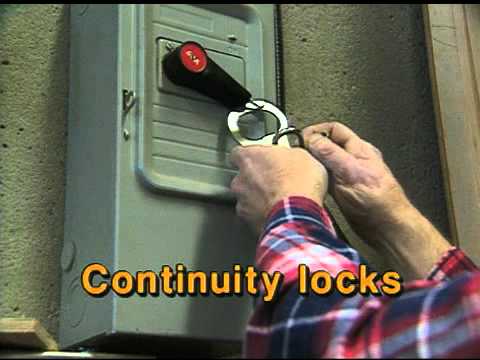
Watch Lock Out Procedures by SAFE Work Manitoba.
Give purchasing a repeatable replacement description
Once the arrangement is approved, translate the decision into an orderable description. Include the exact accessory variant, required quantity, reference to the approved configuration and any restrictions on substitution. Keep the underlying valve information available so that a future supply change triggers the same review instead of silently passing through receiving.
Receiving staff should compare the delivered item with the order and retain unresolved differences outside available stock. They should not infer equivalence from packaging color or a similar shell outline. A supplier can clarify product identity, while the employer decides whether a changed variant is acceptable for the application.
Close the review with an identifiable outcome: approved unchanged, approved with a revised accessory and procedure, or held pending further evidence. Assign an owner to any open item. This makes the next maintenance request actionable and prevents a completed mechanical replacement from being mistaken for completed energy-control approval.
Frequently asked questions
Must every replacement valve use a new lockout cover?
Not necessarily. The existing sound cover may remain suitable when a documented comparison confirms the approved fit and isolation arrangement. The decision should follow the installed assembly and current procedure, rather than a rule that every replacement automatically requires a new accessory.
Is the same handwheel diameter enough to retain approval?
Diameter alone does not describe depth, stem projection, locking access or surrounding obstructions. Review the complete profile and installation. If the earlier evidence does not cover a changed feature, resolve that difference before accepting the old configuration again.
Can a supplier approve the plant’s isolation method?
A supplier can provide product identity, dimensions and documented application information. The employer’s responsible personnel must evaluate the task, hazards and overall isolation method. Product fit information supports that decision without replacing site responsibility.
What should happen when the old procedure still shows the removed valve?
Treat the mismatch as an open change-review item. Reconcile the field identifier, photographs and written instructions, obtain the required approval, and communicate the revision before the affected work uses the arrangement. Retain the revision with the equipment record.