
Contractor Group Lockout: Agree on the Handoff Before Work
Contractor group lockout starts with a conversation between the host and contractor before either crew touches the equipment. Exchange the applicable procedures, agree on the work boundary, identify who coordinates the isolation, and explain how each authorized worker obtains personal protection. When a group lockbox is part of the approved procedure, workers need a reliable way to match that box to the equipment and work scope. The box secures keys within the system described by the procedure. Its presence alone gives a worker no evidence about what was isolated, what was verified, or which work the isolation covers.
Exchange procedures before the crew arrives
In U.S. general industry, where the OSHA hazardous-energy standard applies, the on-site employer and outside employer must inform each other of their respective lockout or tagout procedures. The on-site employer must ensure its employees understand and comply with the restrictions and prohibitions of the outside employer’s energy control program. The 29 CFR 1910.147(f) discusses outside personnel and group work separately. A mixed crew has to address both subjects. Sharing a corporate safety manual can start the exchange, but the workers also need the equipment-specific instructions and the arrangements that will govern this job.
Make the procedure exchange concrete. Compare the identifiers each employer uses for the machine, the part of the machine that will be serviced, and the people who may apply and remove devices. Review the differences in how the two employers document verification and communicate restrictions. A contractor may describe the scope by purchase order while a host operator describes it by production line or asset number. Record the correspondence explicitly. Otherwise, two supervisors can agree that the same job is covered while one is talking about a drive assembly and the other is talking about the entire line.
Brief the people who will perform and be affected by the work. A document sent to a project manager has little operational value if the contractor who arrives at the equipment cannot tell which instructions apply. Ask the crew to identify the box, explain what work is included, and name the person to contact if the procedure and field conditions differ. If the brief needs interpretation or translation, check understanding with the actual crew before accepting a signature as evidence of communication.
Connect the box to a defined work boundary
Consider a contractor replacing a coupling while a host maintenance team works elsewhere on the same production line. Both jobs may refer to the same machine family in their work orders. They may have different exposure boundaries, different isolation records, and different people authorized to release them. A personal lock applied to the adjacent job’s box offers no basis for assuming the coupling job is covered. The team should be able to trace from the work order to the isolation record, then to the physical equipment and the designated box, without relying on where the box happens to be sitting.
The NIOSH hazardous-energy resource guide discusses lockbox numbering when more than one box is involved. Use the site’s identifier consistently in the paperwork and at the box. An identifier is especially useful when boxes are portable, when work areas share a staging station, or when a planned outage adds several nearly identical containers to one room. The identifier helps the crew find the right control point. The approved verification process still establishes whether the isolation is effective for the task.
Record decisions that the next crew can check
| Decision | Record to compare | Reason to stop and clarify |
|---|---|---|
| Work boundary | Equipment identifier and specific work scope on both employers’ instructions | The request expands to a connected asset |
| Box identity | Physical box label and isolation record | Two boxes are present and the briefing gives no unique identifier |
| Personal protection | Authorized-worker assignments and group protection procedure | A worker is told to rely on a supervisor’s lock alone |
| Verification | Approved method, roles and evidence for the stated boundary | The record covers a different machine or work scope |
| Handback | Work status and the designated release authority | One crew reports completion while another still has an open assignment |
Each line in this table is a question for the pre-job meeting and a way to catch drift during the outage. For example, a contractor asked to inspect a second component should be able to recognize a scope change without deciding independently that the existing isolation covers it. The designated people need to reassess that change through the site’s procedure before work expands. Keeping the original and revised work scope distinguishable also helps the returning shift avoid treating an earlier briefing as current.
Keep individual protection visible in the plan
Group coordination and personal protection are different responsibilities. A named coordinator helps reconcile which people and employers are working within the boundary, including crews that start and finish at different times. Each authorized worker still needs the personal protection specified by the applicable group procedure. The guidance above describes personal devices on the group mechanism as part of maintaining individual control. Review the group lockout box procedure overview for how the box fits into that system.
One contractor may routinely start work after a supervisor’s verbal confirmation. Another may expect the chance to participate in verification. Discuss the process beforehand so that a supervisor’s report cannot be confused with a worker’s authorization to begin. Give the crew a clear way to raise a discrepancy and identify the responsible person who can resolve it. A roster helps account for people, but the group procedure and the personal devices provide the protection described in the work plan.
Choose group hardware around the agreed process
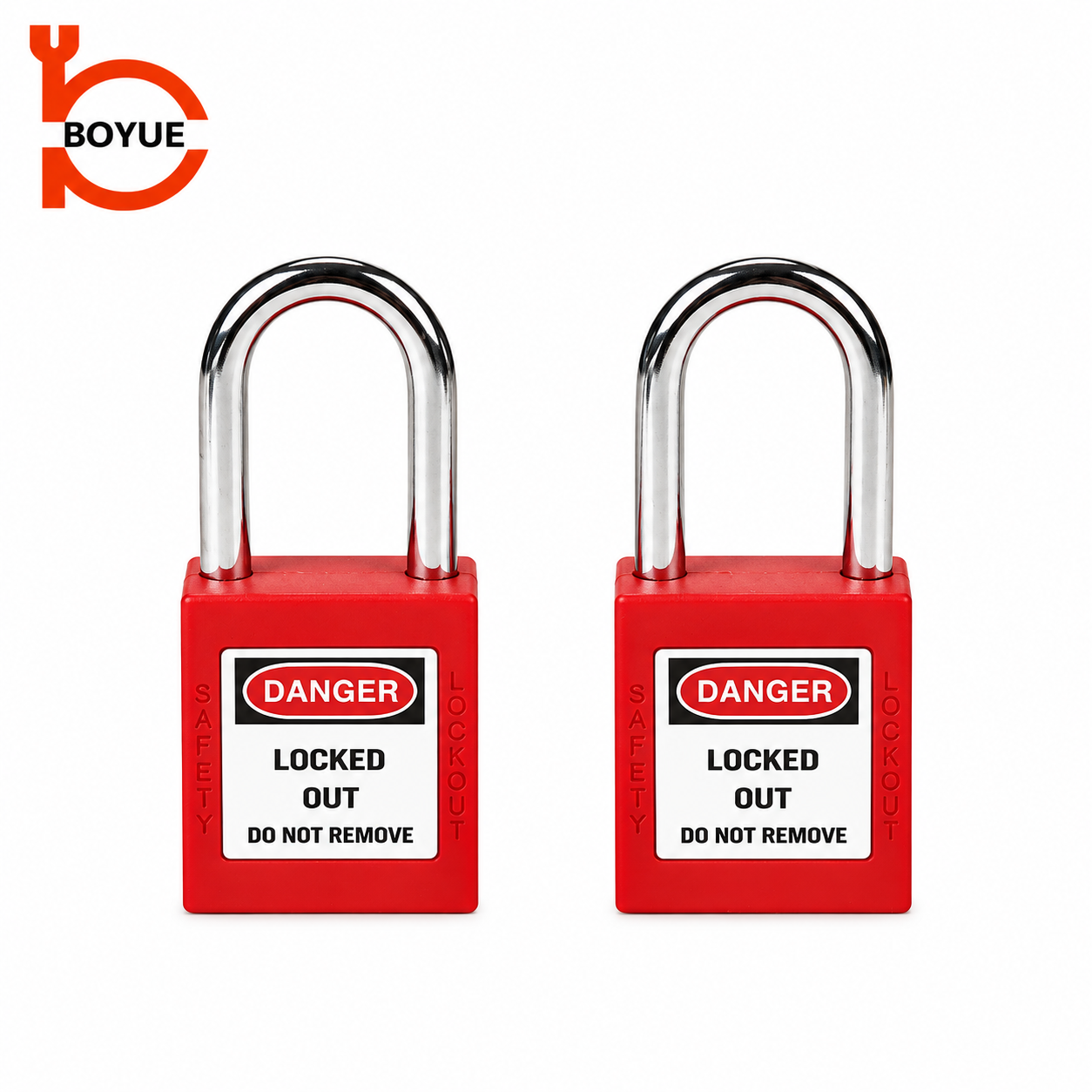
The BOYUE GL-01 / GL-02 portable metal group lockout box illustrates the hardware category. When specifying a box, first establish the number of authorized people expected on the job, how the box will be identified, and where the site needs it to remain accessible. Check sample hardware and the site’s approved personal devices together before purchasing a batch. Evaluate how workers will read the identification when several locks are in place. A supplier’s product photo cannot validate any particular installation or job arrangement.
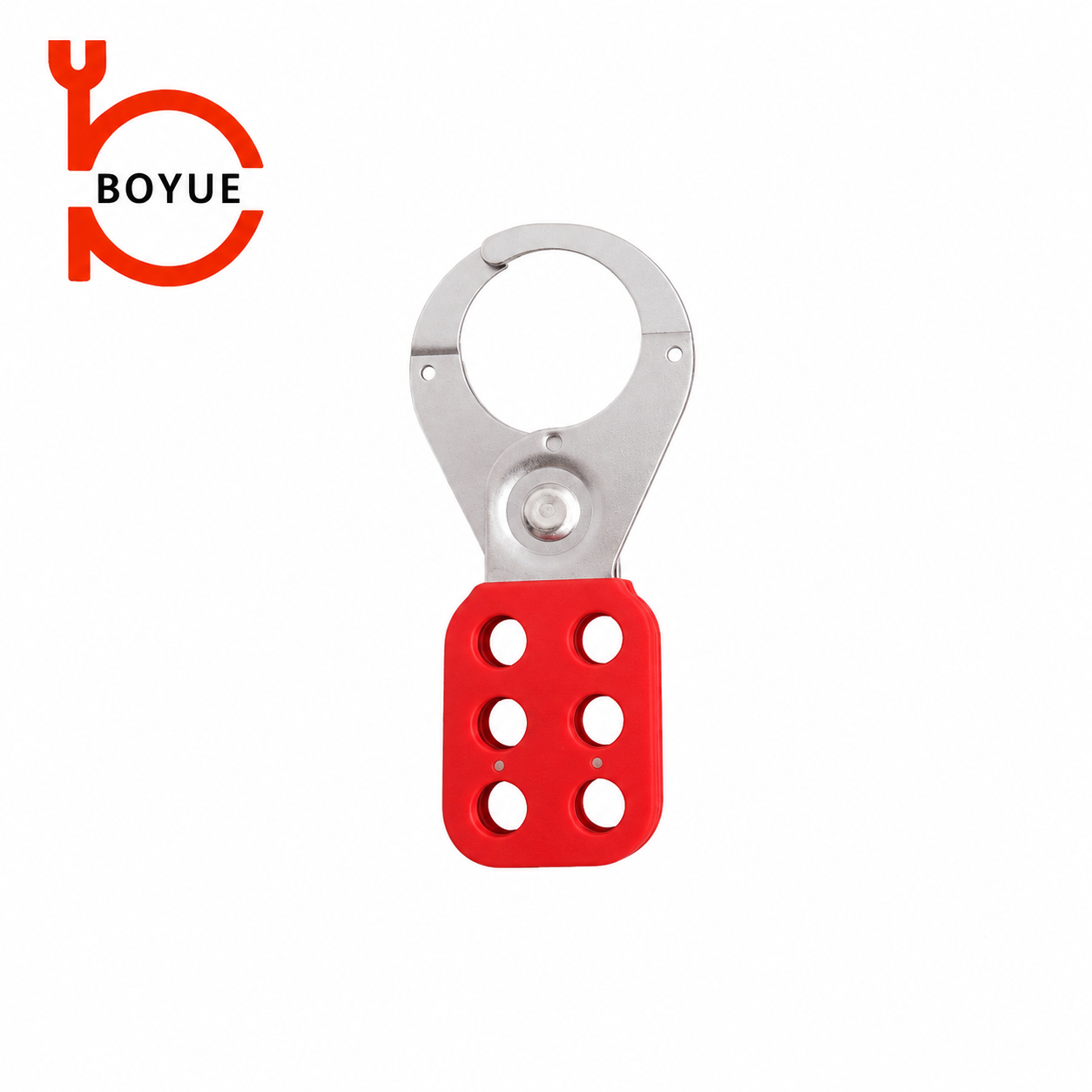
If the approved procedure uses a different group mechanism at an isolation point, review that arrangement independently. Compare the intended role of each component in the hasp and group lockbox comparison. A purchasing request should tell the supplier which components will be used separately and which need a confirmed physical fit. It should also identify any labeling or mounting requirements that the employer has already approved. Leave site authorization, verification methods and isolation boundaries with the people responsible for the energy control program.
Before placing a repeat order, ask whether a replacement box can use the same approved identification system without creating duplicate numbers. If the site transfers a box between projects, specify who removes outdated labels and who updates the register. A box with a readable number can still point to the wrong paperwork if the register is stale. Include this check when maintenance, purchasing and the contractor review the sample together.
Plan for crew changes and handback
Agree on what “finished” means. A contractor may finish mechanical work and leave while a host crew remains inside the same isolation boundary. Completion of a vendor work order can be recorded without interpreting it as authorization to restore energy. The release process must account for workers, their protection and the actual condition of the equipment. The site’s procedure needs an accountable person to receive the handback and resolve discrepancies before any restoration.
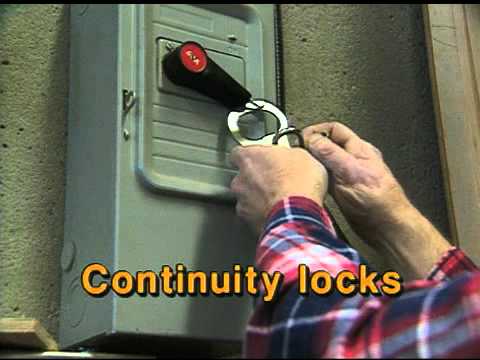
When the work spans shifts, define who briefs the incoming people, who confirms continuity of protection and what records travel with the job. Discuss expected overlaps before mobilization. If the outgoing crew is delayed or the incoming crew has a different work scope, the coordinator should be able to tell whether the original plan still applies. The group lockbox shift-change guide covers continuity in more detail. The following safety education video introduces the broader lockout process that the contractor briefing builds on.
Frequently asked questions
Can the host and contractor share a group lockbox?
A shared box can be part of a coordinated group procedure when the employers agree on its role, the scope is clear and each authorized worker receives the required personal protection.
What if the work order and lockbox label disagree?
Raise the discrepancy with the designated coordinator before starting. Use the approved records and verification process to confirm which isolation applies.
Does a worker roster replace a personal device?
A roster is an accountability aid. Where the applicable group procedure requires personal devices, each authorized worker must use their own device as specified.
Can the host restore energy when the contractor leaves?
Departure alone does not authorize restoration. Follow the approved release process and confirm the status of everyone and every job within the isolation boundary.