Gas Cylinder Lockout During Cylinder Changeover: Keep the Boundary Clear
Gas cylinder lockout during cylinder changeover starts with a clear distinction between the supply being replaced and the equipment that must remain protected. Identify the work boundary, connected cylinders and other possible feeds before deciding which valve-access lockout belongs in the arrangement. Keep the required protection effective through the change, then review the replacement assembly before releasing it. A valve cover cannot release trapped pressure, identify an unknown gas or make a regulator connection safe to disconnect.
This guide is for planning, device assignment and handover. It does not provide a universal cylinder-changing sequence. Gas properties, equipment design, manifold arrangements and manufacturer instructions determine the safe method. Trained personnel must use the approved procedure for the specific installation, especially where a cylinder change occurs while related maintenance is still under way.
Define which job is taking place
A routine supply exchange and maintenance on a gas-fed machine can overlap without having the same boundary. A delivery team may focus on removing one cylinder, while a maintenance team relies on several isolation points to protect work downstream. If those teams act on different assumptions, replacing a supply can alter the conditions on which the maintenance protection depends.
Write down the affected equipment and the reason for the change. Distinguish an exhausted supply, a suspected faulty cylinder, a regulator replacement and maintenance on connected equipment. A stock label saying “empty” describes an inventory state; it does not establish that a connected line contains no hazardous energy or that disconnection has been authorized.
The CCOHS lockout guidance describes identifying energy sources, controlling stored energy and verifying isolation as parts of an equipment-specific process. Apply those principles to the actual system rather than assuming that closing one cylinder valve defines the entire work boundary. Determine any ongoing monitoring requirements through the approved procedure.
Trace supply identity before choosing a cover
Start with the installed connection and the equipment it serves. Record the cylinder identification used by the site, the connection location and the corresponding point in the equipment procedure. Check whether a manifold, changeover arrangement or secondary cylinder can supply the same work area. A nearby unused cylinder may be irrelevant, while a less visible connected supply may be essential to the boundary.
Do not infer gas identity from cylinder paint color alone. Resolve identification using the required labels and supplier documentation. If identification is missing or inconsistent, refer the cylinder through the site’s established handling process. A lockout accessory cannot compensate for an unidentified cylinder, uncertain connection or undocumented changeover mechanism.
Before the change, agree which team controls each part of the work. The person responsible for a supply exchange should know whether active maintenance protection depends on the existing configuration. The maintenance coordinator should know if a replacement changes an isolation-point reference or connection. This communication is particularly useful when delivery and maintenance work orders are managed separately.
Use a boundary-and-status record
A short record can prevent the outgoing supply, replacement supply and downstream work from being treated as one indistinct item. The following table is a planning aid. It does not specify a gas-handling sequence or authorize any valve operation, disconnection or repressurization.
| Item to reconcile | Question for the responsible team | Evidence needed before release |
|---|---|---|
| Outgoing cylinder | Which exact supply is being removed? | Matching cylinder, connection and work-order identification |
| Alternate feed | Can another connection supply the protected equipment? | Reviewed boundary covering relevant feeds and changeover features |
| Downstream condition | What energy or hazardous product can remain? | Approved treatment and verification requirements for this system |
| Replacement assembly | Did the valve, regulator or connection geometry change? | Confirmed equipment identity and accessory compatibility |
| Active lockout | Who controls protection while the exchange occurs? | Agreed responsibilities and continuity of required controls |
| Return to service | Who can authorize restoration after the work? | Completed procedure, communications and release record |
Keep the record accessible to the people doing the work. A control-room note that the cylinder has been delivered is different from an authorized statement that the connection is ready for service. Use explicit status descriptions so stores, delivery staff and maintenance personnel do not interpret the same short label differently.
Understand what the AS-03 illustration represents
The BOYUE AS-03 gas cylinder lockout page presents a valve-access restraint. Its role in a proposed arrangement must be assessed against the actual valve assembly and instructions. The product image illustrates the accessory; it does not show a completed, verified isolation or demonstrate suitability for every gas installation.
For a replacement cylinder, recheck the interface instead of assuming the previous cover assignment transfers automatically. Valve-stem geometry, surrounding access and the complete lock combination can differ even when the supply serves the same machine. The responsible reviewer should establish whether the supplied model can perform its intended function without interfering with necessary equipment or controls.
Do not treat an accessory cover as a protective transport cap, a cylinder support or a leak-control component. Each of those functions has separate requirements. Avoid claims that a plastic cover makes an assembly suitable for hazardous atmospheres or a particular chemical exposure unless the exact application has supporting documentation. Request clarification rather than extending a general product description into a safety approval.
Keep gas-handling requirements with the equipment instructions
CCOHS guidance for products carrying the gas-cylinder pictogram addresses compatible gas-handling equipment and warns against improvised adapters or forced connections. A lockout arrangement should respect those boundaries. It should never be used to justify modifying a fitting, forcing a valve cover into place or accepting equipment whose compatibility remains unresolved.
A regulator or gauge indication is only one part of a system assessment. Depending on the installation, hazardous pressure or product can remain beyond the point being observed. The applicable procedure must determine how the relevant condition is controlled and verified. Do not publish a generic instruction to vent an unidentified gas into the workplace or assume that all cylinders can be handled by one pressure-release method.
For procurement, collect the equipment information the reviewer actually needs: identified valve arrangement, access limitations, applicable exposure conditions and current instructions. Provide photographs only when taken under the site’s safe access rules. Keep the supplier’s recommendation linked to that evidence so a future change can be recognized instead of silently inheriting the old approval.
Preserve the identity of separate components
A cylinder arrangement may involve a cover, personal padlock and identification tag. Each component has a distinct function. Confirm how they work together in the approved configuration. A shackle that passes through an opening does not, by itself, show that the cover is retained correctly or that identification remains visible after fitting.
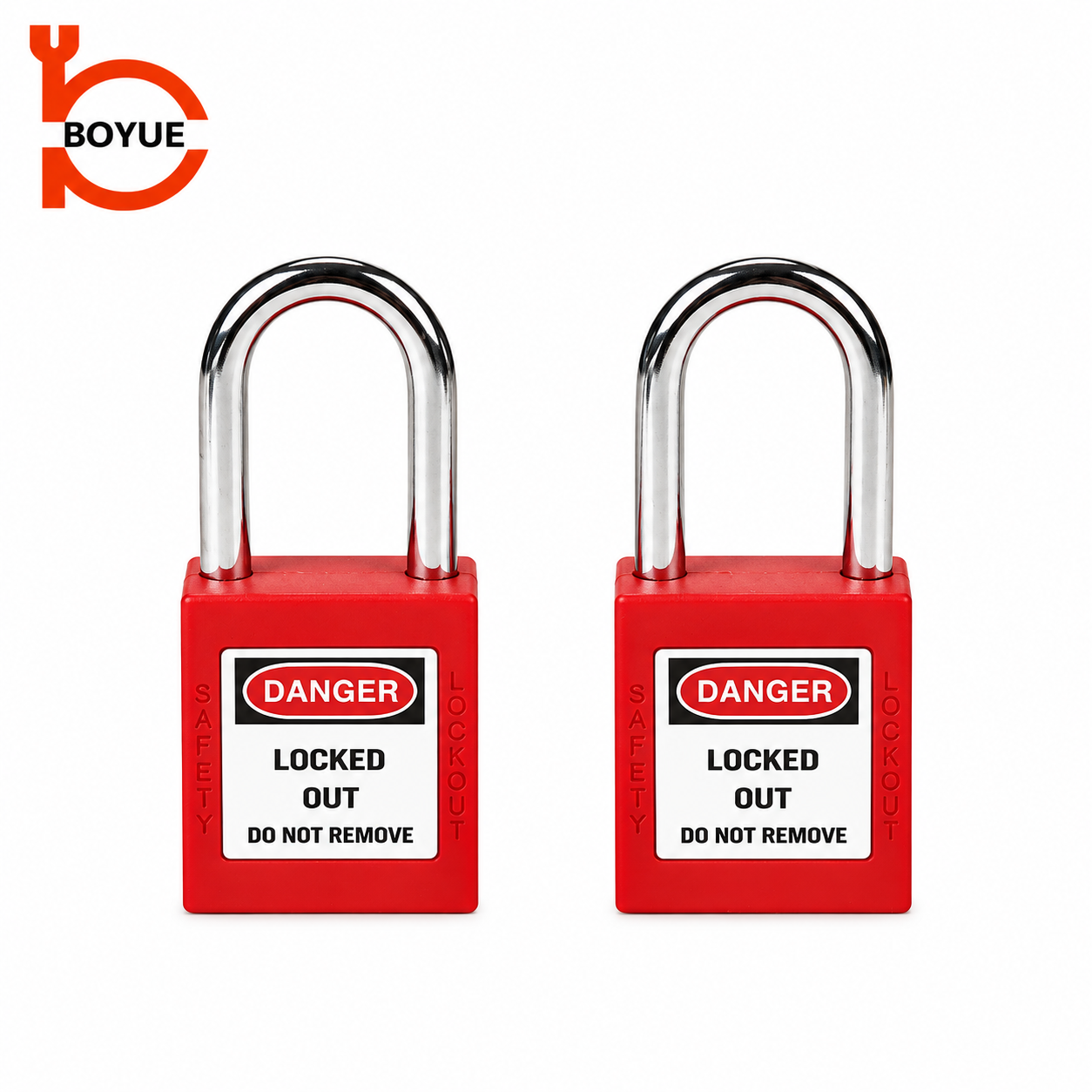
Assign personal locks through the site’s existing key-control rules. Replacing a cylinder does not authorize a delivery worker or store custodian to remove somebody else’s lock. If the work needs a change to active protection, the responsible personnel must follow the established procedure for that change. Device availability and authority to remove a device are different questions.
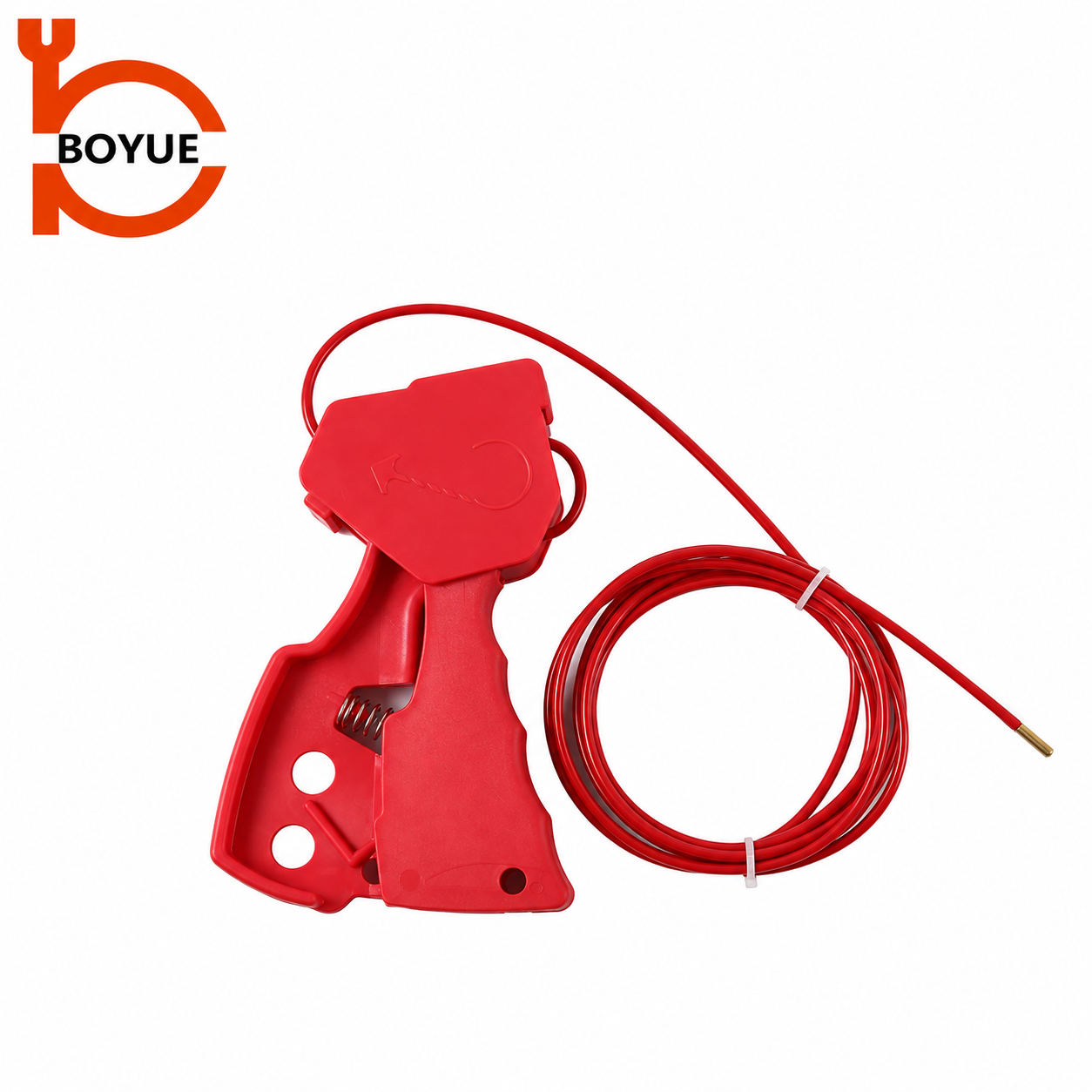
A cable lockout is shown as a separate product category, not as an automatic substitute for a valve-access cover. Where a site proposes an alternative arrangement, it needs its own documented suitability review. Do not wrap a cable around a convenient nearby object and treat that improvisation as evidence that the designated isolation point has been secured.
Plan continuity when maintenance remains open
The most important handover question is whether the protected work continues while the supply configuration changes. If it does, define the protection that remains effective throughout the transition and the personnel who control that transition. If the approved method cannot maintain the required protection, stop the affected work and resolve the method before proceeding.
As a planning recommendation, link the supply-change record to the maintenance permit or work order. Note which configuration the procedure describes and whether the replacement affects that configuration. The record should help the next authorized person distinguish “cylinder exchanged” from “maintenance complete” and “system released.” None of those statuses should be inferred from an empty storage position.
For installations with additional connections, use the separate multiple pneumatic supply boundary guide to frame questions about hidden feeds. That article does not supply gas-specific changeover instructions. Likewise, the gas cylinder lockout inspection guide concerns accessory condition, while this review concerns supply identity and protection continuity during a change.
Close the change with a clear handover
Record the installed replacement identity, the resulting accessory assignment, unresolved restrictions and the person responsible for release. Check that active reference photographs and equipment instructions describe the new assembly. Retain the maintenance history without leaving an obsolete configuration as the apparent current instruction.
For category context, review the gas cylinder lockout selection guide. Keep product selection separate from the decision that a gas system may be reopened. A supplier quotation can identify a proposed accessory, but only the responsible site process can establish that the equipment, work area and personnel are ready for restoration.
SAFE Work Manitoba’s educational video explains general lockout process concepts. It does not demonstrate cylinder disconnection, regulator handling or this BOYUE model. Use it for training context alongside the installation’s gas-specific procedure.
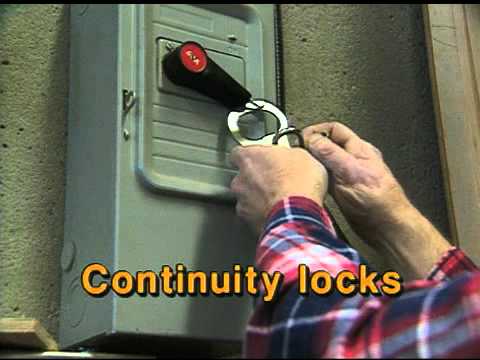
Watch Lock Out Procedures by SAFE Work Manitoba.
Frequently asked questions
Does an empty-cylinder label prove the connection is safe to open?
No. Inventory status does not verify the condition of connected piping or other supplies. The applicable procedure must address the actual gas, equipment, stored energy and verification required before disconnection or maintenance.
Can the old valve cover automatically move to the replacement cylinder?
No. Reassess the actual valve assembly and complete locking combination. The same supply function does not guarantee identical valve geometry, access or compatibility with the previously assigned cover.
Is a cylinder lockout cover a substitute for a transport cap?
No. A valve-access restraint, protective transport equipment and cylinder supports serve different purposes. Use each according to its documented function and the applicable cylinder-handling instructions.
What if connected maintenance must continue during the exchange?
Have the responsible personnel establish how required protection will remain effective throughout the change. If the current procedure cannot maintain it, stop the affected work and resolve the method before changing the protected configuration.