Gas Cylinder Lockout: Valve Cover Selection and Scope
A gas cylinder lockout restricts access to a compatible cylinder valve or operating connection when correctly fitted and secured. Select it by the actual valve assembly, required clearance and personal padlock dimensions, then verify a sample against the supplied instructions. A cover is not a pressure vessel, leak-control device or substitute for securing the cylinder itself. It also does not remove gas trapped in hoses, regulators or connected equipment. Those hazards require an assessed procedure suited to the gas, task and installation.
This guide focuses on valve-access covers and purchasing checks. The separate pneumatic quick-disconnect lockout guide covers connector-based devices. A product selected for an air fitting should not be assumed suitable for a cylinder valve simply because both applications involve pressurized gas.
Define the task before choosing a cover
Identify the cylinder, gas service, valve type and connected equipment. Ask whether the task involves preventing valve operation, servicing downstream equipment, removing a regulator or another activity. These are different work scopes. The responsible specialist must determine the required isolation and verification method; the cover supplier cannot infer it from a photograph of a cylinder shoulder.
Record the isolation-point identifier and the cylinder supplier’s instructions. Cylinders can be exchanged, and a replacement may have a different valve or protective arrangement. A fit approval tied only to the cylinder’s colour can therefore become unreliable. Use the actual valve reference and relevant installation details in the application record.
Do not disconnect, vent or manipulate a cylinder merely to take purchasing measurements. Have an authorized person obtain the required information under safe conditions. If there is a suspected leak or damaged valve, follow the site’s gas emergency arrangements rather than trying to solve the problem by installing a lockout cover.
Inspect the complete valve geometry
A useful application record shows the handwheel or stem, neck area, protective collar and any regulator or connection that remains fitted during the intended lockout. Include side views and the space available to open and close the cover. A single front photograph can hide the interference that prevents a hinge or locking ear from closing.
Measure the features specified by the candidate device’s drawing. These may include the required aperture, internal clearance and engagement area. Distinguish an opening dimension from an internal cover diameter. Two devices with a similar external diameter may restrain the valve in very different ways.
Check whether the device remains captive when locked. A large cover that sits loosely around a valve may still allow access or removal. Conversely, a cover that binds against a valve component can interfere with proper closure. Do not trim a device, enlarge a hole or remove a valve accessory unless the exact manufacturer’s instructions and site assessment explicitly permit the intended configuration.
Review the BOYUE AS-03 as an exact product
The BOYUE AS-03 product page identifies an ABS gas-cylinder lockout and lists an aperture limit of 30 mm. Treat that figure as a catalogue screening point. Confirm the drawing’s measurement location and the complete valve geometry with BOYUE before ordering. It does not establish universal compatibility with every cylinder having a smaller visible stem.
Request current fitting instructions and identify the supplied model on the quotation and packaging. The isolated product image shows the cover and locking ears, rather than an installed assembly. It does not demonstrate that a particular cylinder is locked out, nor establish pressure, fire or chemical performance. Avoid turning broad catalogue language into an unverified application claim.
Check the delivered label as well as the body. Its warning should make sense for the actual use and remain readable in the expected environment. A photograph of a different model with unrelated wording is not an acceptable substitute for confirming the AS-03 that will be supplied. Retain the sample reference when approving artwork or customized labels.
| Selection question | Evidence to request | Approval should wait when |
|---|---|---|
| Which valve is being covered? | Valve reference and safe photographs | Only cylinder colour or volume is known |
| Can the cover close completely? | Drawing dimensions and complete fitting trial | Regulator, collar or pipework obstructs closure |
| Is it captive when locked? | Specified engagement check | Cover can be displaced to expose operation |
| Will the personal lock fit? | Shackle and body dimensions with sample | Locking ears align but lock cannot close |
| Is the environment suitable? | Model-specific material guidance | Exposure is outside documented conditions |
| What remains energized? | Equipment-specific isolation assessment | Trapped pressure or another supply is unresolved |
These qualitative checks support purchasing review. The broader framework is described by CCOHS’s hazardous energy programme guidance; the table is not a gas-handling procedure or pressure test.
Include padlock clearance and ownership
Evaluate the cover with the actual personal padlock intended for use. Check the shackle diameter, usable height and internal width, plus room for the body and label. A shackle passing through aligned ears does not prove the cover will remain fully closed once the lock is installed.
Do not infer group capacity from the number of visible openings. Multiple workers require the site’s approved protection arrangement. If a hasp is considered, confirm that the exact combination is permitted and does not expose the valve or interfere with closure. Group ownership, key control and handover decisions remain procedural requirements.
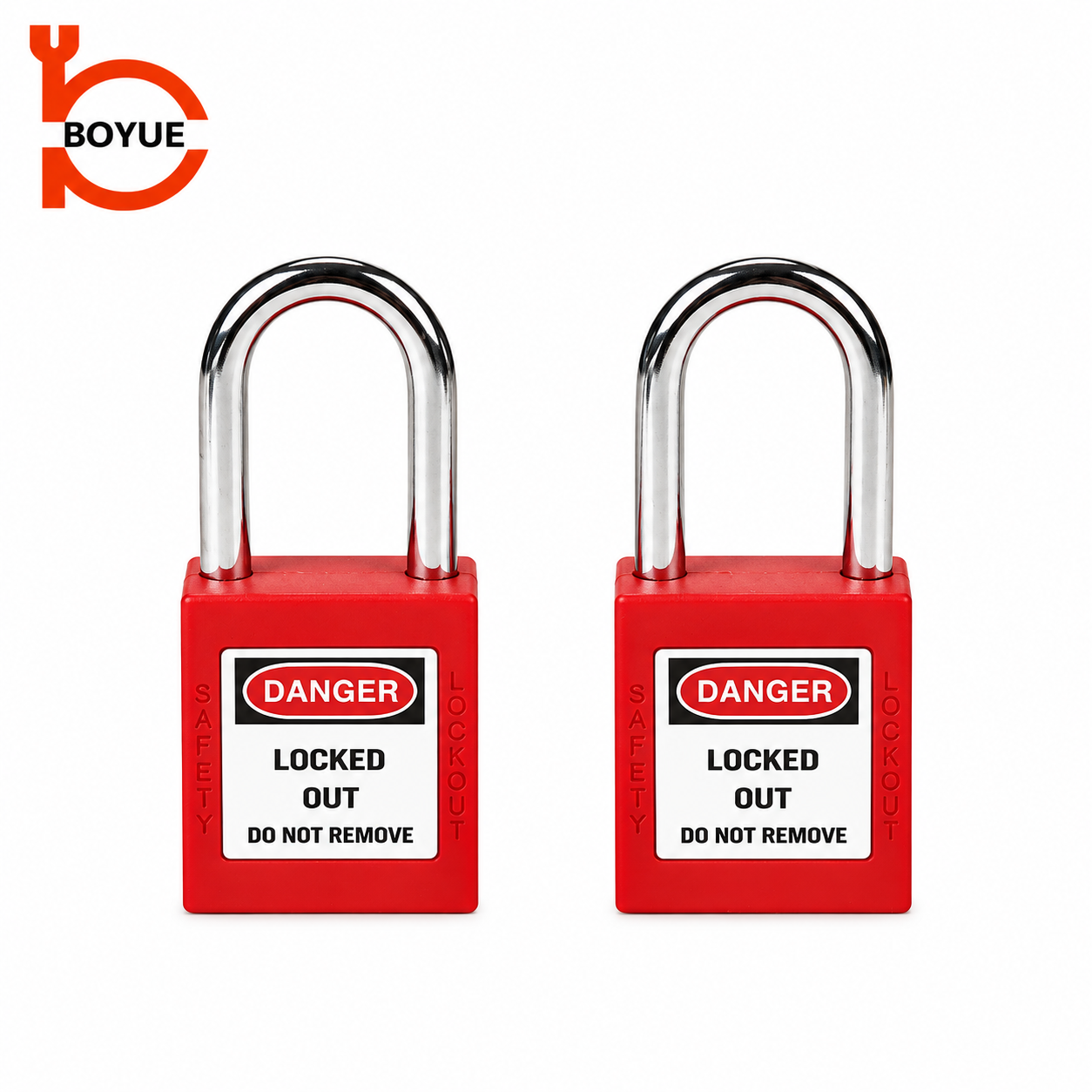
The illustration below shows a personal safety padlock as a separate component. It is not a claim that the pictured variant fits every AS-03 installation. Specify the lock configuration with the cover order, and keep a reference to the accepted complete assembly. The safety padlock keying guide addresses the separate issue of key-system management.
Keep pressure control separate from access control
Closing and locking a cylinder valve does not demonstrate that a connected line is depressurized. Gas can remain in hoses, regulators, accumulators or process equipment. Other supplies can also feed the same system. The responsible specialist must identify the energy boundaries and verification points for the actual work.
Never use this article as an instruction to release hazardous gas into a room, loosen a fitting to check pressure or bypass a protective device. Gas properties and the installation determine the safe method. Additional controls may be needed for toxic, flammable, oxidizing or otherwise hazardous services, and a plastic cover does not establish their adequacy.
The CCOHS lockout guidance distinguishes isolation from control of stored energy. Use it as general education, while keeping the local approved procedure and cylinder manufacturer’s instructions as the operational references. A cover blocks access; it does not indicate the gas condition inside the system.
Control connected equipment and group work
When a cylinder supplies a machine, the machine may also have electrical, mechanical or other energy sources. The cylinder cover addresses only its assessed function at one location. A complete work plan must identify the other relevant points. Do not label a task ready solely because the most visible gas valve now has a padlock.
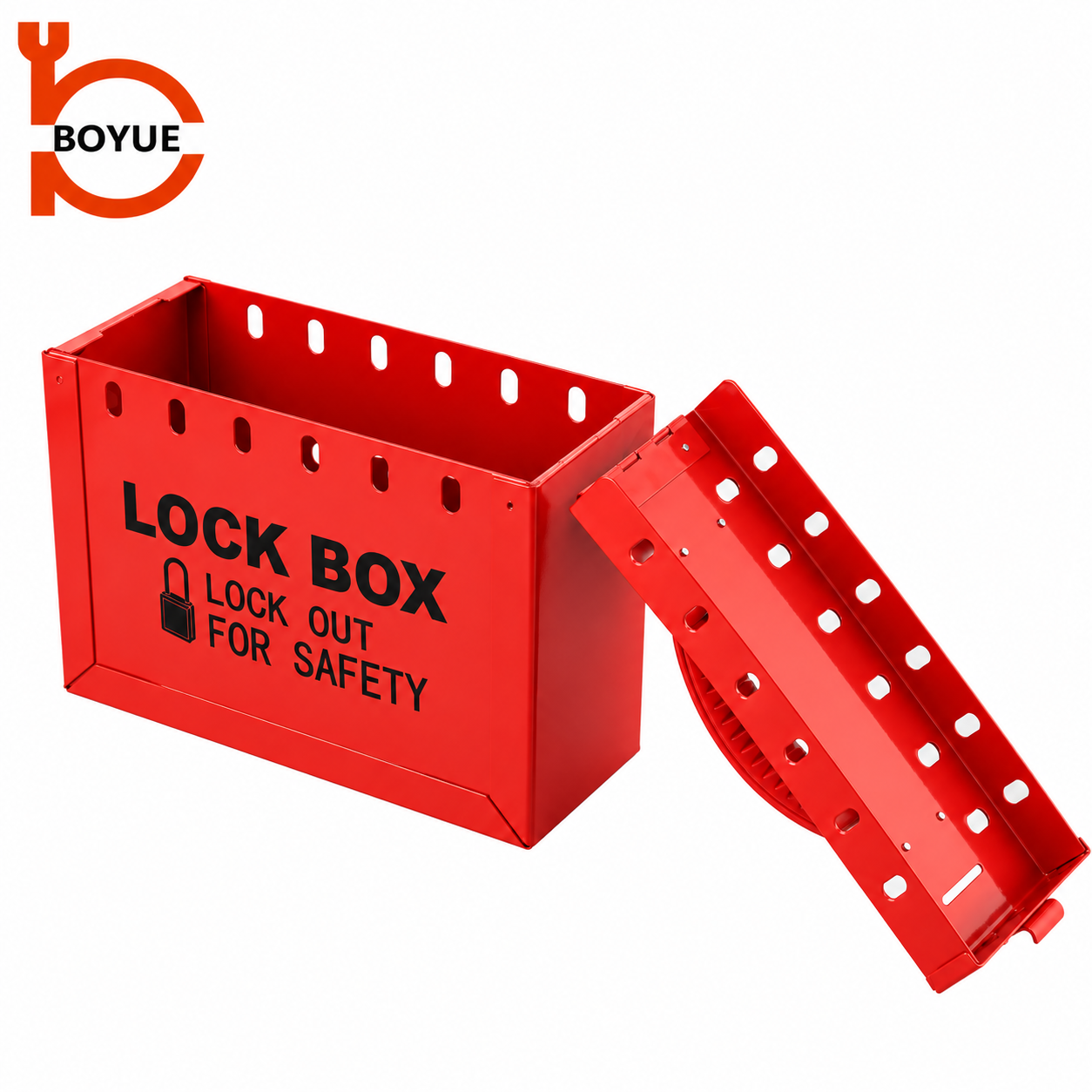
For several people, use the site’s defined group system and verify the isolation record. The group lockout box procedure explains the management purpose of a controlled group arrangement. The box image below illustrates a separate component; it is not an instruction to connect it physically to the cylinder cover.
Where contractors participate, resolve the relationship between the site and contractor procedures before work begins. A supplier’s product sheet does not allocate those responsibilities. Record which party owns the isolation assessment, fitting approval, issue of devices and final release, so the same hardware does not conceal conflicting assumptions.
Order, receive and store the approved configuration
An enquiry should include the valve reference, safe photographs, relevant dimensions, connected fittings, intended lock and operating environment. Ask for the exact model, instructions, exclusions and contents of supply. State whether the order is for the cover alone or includes locks, tags or other accessories.
On receipt, compare the body, hinges, locking ears and warning with the approved sample. Quarantine cracked, incomplete or changed devices. Confirm that packaging references match the purchase order. A substitute cover with a similar colour should remain unapproved until its geometry and documented application have been reviewed.
Keep available and rejected devices separate. Reassess fit when a cylinder supplier changes the valve, when a regulator arrangement changes or when the work scope expands. Track the application and model together, so a replacement purchase does not quietly remove an important boundary from the original approval.
The SAFE Work Manitoba video below provides general education about planned lockout. It is not a gas-cylinder fitting demonstration. NIOSH’s hazardous energy control overview also explains why the hardware must be part of a complete written programme.
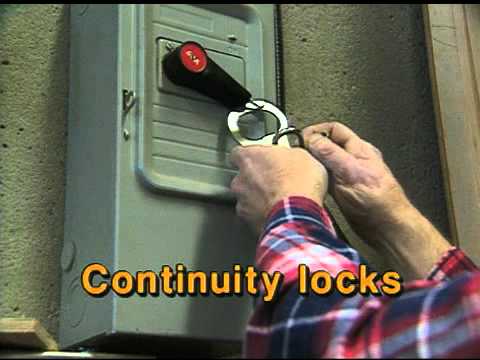
Watch Lock Out Procedures by SAFE Work Manitoba.
The broader BOYUE pneumatic lockout range includes different device mechanisms. Keep cylinder valve covers and connector lockouts distinct in the application register.
Frequently asked questions
Does a gas-cylinder cover stop a leak?
No. It restricts access within its approved application. Suspected leakage or valve damage requires the site’s gas safety response and appropriate specialist assessment.
Can cylinder size alone identify the right lockout?
No. Valve and connection geometry, protective features, required clearance and the exact device instructions determine whether the cover fits.
Does the cover release trapped gas pressure?
No. Residual energy in connected components requires separate control and verification under the equipment-specific procedure.
What should trigger a new fit review?
Review a changed valve, cylinder supplier, regulator arrangement, device variant, personal lock or work scope. Approval for one documented configuration should not silently extend to another.