
Lockout Station Shift Handover: Make Stock Status Clear
A lockout station shift handover should identify which devices are available, which are issued, which are held and who owns each unresolved question. A tidy board and a total count are useful observations, but they cannot explain whether the next approved job has the required equipment. Reconcile the current record with the physical station and give the incoming custodian a clear list of open actions. This guide concerns stock custody and readiness. It does not transfer personal locks on equipment, authorize lock removal or establish that machinery may be restarted.
Define what the custodian is handing over
A station can serve one area, several equipment groups or a shared maintenance team. Define that scope before deciding what a complete handover means. A custodian cannot confirm readiness for every machine merely because the station contains the items shown on an old photograph.
Use the approved contents and issue records as the starting point. Identify the station, relevant equipment scope and the current list revision. If another storage point supplies some required devices, make that relationship clear rather than recording an apparent shortage at the wall board without context.
The BOYUE BY-4 acrylic lockout station provides a real product reference for a small fixed storage point. Its illustration does not establish the contents of a particular order or the equipment it can support. Confirm the actual supplied configuration and the site’s approved device list separately.
Separate available, issued, held and unresolved states
Available stock should mean that an identified item has met the site’s condition, application and assignment requirements for issue. Issued stock belongs to a known assignment or record. Held stock has a reason preventing issue, such as damage or an unresolved product difference. An unaccounted-for item remains unresolved until the relevant facts are established.
These categories help the incoming custodian act on the right question. An empty hook could represent normal use, a held return or a missing device. Each calls for different action. Do not convert an empty position into an assumption that a worker has left a lock on equipment or that a purchase order is automatically needed.
The NIOSH hazardous energy control resource guide connects device acquisition with procedures, training and inspection. A stores handover supports those program elements by making availability and uncertainty visible. It does not replace the operational records controlling the actual work.
Reconcile the physical station with the current record
Compare item identities and quantities with the issue record. Note damaged returns and discrepancies before treating them as available. If the station uses numbered positions, confirm what each number represents. A location number can organize storage without being the unique identity of every lock placed there.
Keep the check practical. The incoming person needs enough information to continue the process without reconstructing the outgoing shift’s memory. Record the exact item or model, its status, the associated assignment reference where appropriate and the next responsible role.
Avoid copying an old “all complete” entry when the facts have changed. If part of the review remains unfinished, state which part is open. A bounded statement such as “available stock reconciled; two issued items awaiting record clarification” is more useful than a complete count with hidden uncertainty.
Use a handover table with actionable entries
This table is an example of an inventory handover structure. It is not a regulatory form or an authorization to alter active protection. Adapt the fields to the site’s approved responsibilities and record system. The CCOHS lockout and tagout overview describes the importance of assigned responsibilities, necessary hardware and established procedures.
| Handover item | Information to carry forward | Next action or owner |
|---|---|---|
| Available devices | Identified type, quantity and approved scope | Incoming custodian maintains issue control |
| Issued devices | Assignment reference and current custodian record | Reconcile through the normal job or issue process |
| Held returns | Specific item and reason it cannot be issued | Designated condition or application reviewer |
| Unexplained shortage | Exact discrepancy and checks already completed | Named reconciliation owner |
| Replacement delivery pending | Ordered model and receiving status | Purchasing and receiving follow-up |
| Changed equipment requirement | Affected scope and unresolved device need | Responsible procedure reviewer |
Keep dates and record references clear enough that the next shift can distinguish a current open item from a previously resolved one. An action should close only when its required evidence exists, not when a reminder has been passed to another person.
Keep held devices out of ready stock
A returned device should not regain available status merely because it has been placed on the board. Follow the site’s condition checks and product information before issue. If the reason for holding it is unclear, keep the status unresolved until the designated person makes a decision.
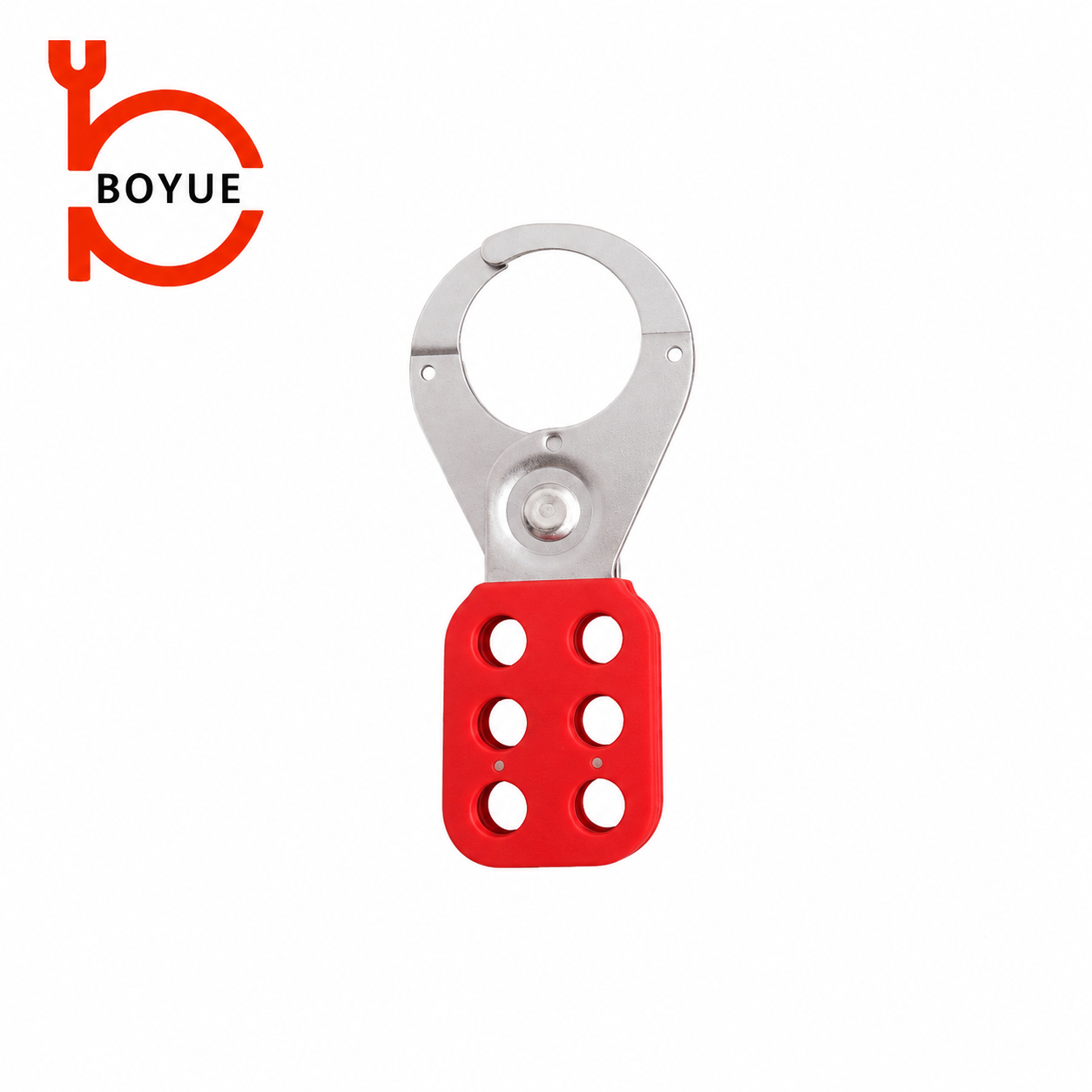
A steel hasp is a separate inventory item with its own condition and compatibility questions. The illustration helps distinguish a specific device type from a generic empty storage position. A hasp returned with visible deformation should not be counted as ready simply because the expected quantity is otherwise short.
Record the defect or uncertainty specifically. “Broken” may be enough to prevent immediate issue, but a more useful follow-up identifies the affected part and device identity. Keep any repair or replacement decision within the authorized process rather than allowing the next custodian to infer that a cosmetic change restored serviceability.
Preserve personal lock identity and key control
Personal padlocks need a clear assignment and key arrangement under the employer’s program. The station handover should preserve that arrangement rather than treating every returned lock as an interchangeable spare. A missing assigned lock and a shortage of unassigned approved reserve stock are different issues.

The incoming custodian should be able to identify which items can be issued and which require assignment clarification. Do not distribute unidentified keys or combine key sets to simplify the shift change. Refer uncertainty to the role responsible for the site’s key-control system.
The safety padlock identification guide provides related context for markings and assignment. Its principles support an understandable stock record, while actual personal-lock removal and operational release remain outside the custodian’s inventory decision.
Do not confuse station handover with active lock transfer
Transferring responsibility for a storage point does not transfer an authorized worker’s protection on machinery. Active shift or personnel changes require the employer’s established continuity arrangements. A completed station sheet cannot authorize removal of a lock from an isolation point.
If the stock review raises an operational question, refer it to the designated supervisor or responsible authorized person. The custodian should preserve the relevant record and avoid making an equipment-status decision from a returned lock or an empty hook. Inventory evidence can prompt a question without answering whether work is complete.
The group lockout shift-change guide addresses that separate operational topic. Keep the two records connected where necessary, but do not merge their authority. A station handover should state explicitly when an issue has been referred for operational resolution.
Identify shortages before the next job reaches the station
Compare known upcoming demand with the approved available stock through the normal planning process. The objective is early visibility, not an assumption that the custodian can approve alternative devices. If a required item is unavailable, identify the affected task and the role responsible for resolving readiness.
The missing lockout kit devices guide offers a related discrepancy workflow. Apply the same discipline at a fixed station: identify the item, distinguish assignment from loss, obtain an approved replacement when needed and verify acceptance before issue.
Avoid closing a shortage because an order has been placed. The delivered item must still match the approved description and be accepted into stock. Where a supplier proposes another variant, retain it as pending until the site’s responsible reviewer approves it for the intended application.
Retain a concise record of unresolved actions
The incoming person should know the exact open question, what has already been checked and who owns the next step. This prevents repeated searching and avoids a chain of vague handovers in which nobody retains responsibility for the original discrepancy.
For example, distinguish a known issued cable device from an unidentified missing hasp and a held padlock awaiting key-assignment clarification. A single total shortage number would hide the different actions. This is an illustrative record structure, not a report of an actual site event or a required universal inventory policy.
Keep the process understandable to the people using it. A complicated form that encourages copied entries can be less useful than a short record with clear identities and owners. Review repeated unresolved items to determine whether the issue process, storage arrangement or approved stock level needs attention.
Use education without substituting it for the handover
The following general educational video explains lockout principles. It can help custodians understand why hardware availability and personal protection deserve careful records. It does not demonstrate this station’s issue system or authorize any worker to apply or remove locks.
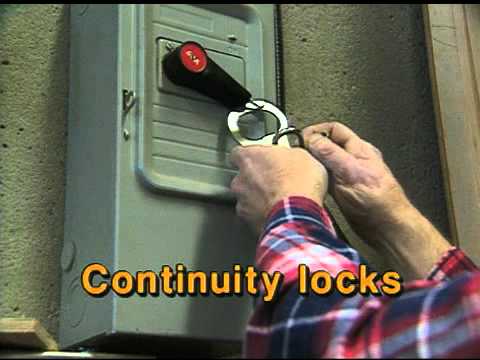
Watch Lock Out Procedures by SAFE Work Manitoba.
The handover record should remain usable without the video. Include the current list reference, open item identities and responsible roles directly. If a new custodian requires training for the assigned responsibilities, address that through the employer’s program rather than assuming that viewing a general video provides qualification.
Close the handover with a recorded understanding of available stock and open actions. The outgoing person should not describe an unresolved issue as completed, and the incoming person should have a practical route for continuing it. That result supports the next job without confusing stores administration with equipment clearance.
Frequently asked questions
Does every empty hook mean a missing device?
No. It may reflect a documented assignment, a held return or an intentionally unused position. Compare the actual stock with the current contents and issue records, then investigate any remaining discrepancy.
Can the incoming custodian remove an old lock from equipment?
A station handover does not grant that authority. Personal lock removal and exceptional cases must follow the employer’s approved operational procedure. Refer the issue to the designated responsible person.
Is a purchase order enough to mark a shortage resolved?
No. Keep the item pending until the delivery is checked and accepted for the required use. A changed variant needs the appropriate application decision before it becomes available stock.
What is the most useful information for the next shift?
Identify the station and current list, available and issued stock, held devices, exact unresolved discrepancies and the owner of each next action. Keep operational clearance questions separate from inventory status.