Missing Devices in a Lockout Kit: Restore Readiness Before Work
When a lockout kit has missing devices, hold the affected job until the required protection can be provided through the approved procedure. Identify the missing item and its application, check whether it is legitimately assigned elsewhere, and obtain a sound approved replacement when needed. A full-looking toolbox or a similar spare does not establish readiness. This guide covers pre-job discrepancy handling and return to available stock. It does not authorize removing locks from equipment, borrowing another person’s protection or changing an isolation method to match whatever remains in the kit.
Begin with the job requirement, not the empty pocket
An empty compartment identifies a difference to investigate, but it does not explain its significance. Compare the kit against the controlled contents list and the requirements for the planned task. Some storage positions may be intentionally unused, while a visually small missing accessory may be essential to a particular isolation point.
Record the kit identifier, item description and the job or equipment affected. State whether the missing item prevents that kit from supporting the task. If the stores system serves several equipment groups, avoid a blanket description such as “kit complete” unless the scope of that statement is clear.
The BOYUE GLC-03 electrical lockout kit product page provides a product reference for discussing a kit configuration. The toolbox illustration represents its container, not a guaranteed contents list for every order. Use the actual confirmed order and approved site list when reconciling a delivered or returned kit.
Separate available, issued and held items
A device can be absent from the box because it is assigned to an active job, awaiting inspection, sent for replacement or genuinely unaccounted for. These states need different responses. Treating them all as stock loss can trigger duplicate purchasing; treating them all as normal use can leave the next job without necessary equipment.
Consult the existing issue or job record before searching for a substitute. Where the record is unclear, ask the designated custodian or supervisor to reconcile it. Do not infer that an empty storage position means a lock has been abandoned on equipment, and do not interpret a returned lock as permission to restart machinery.
Keep inventory status separate from operational clearance. The padlock rack inventory-control guide explains that distinction for issued locks. Apply the same separation to the portable kit: a stores record helps manage devices, while the approved energy-control procedure governs people and equipment.
Use a discrepancy table with a clear owner
The table below is a proposed stores workflow rather than a regulatory inspection form. Adapt it to the site’s approved procedure and authority structure. The NIOSH hazardous energy control resource guide treats equipment acquisition, procedures, training and inspection as connected program elements; replenishment should support that complete system.
| Kit finding | Immediate inventory action | Evidence needed for release |
|---|---|---|
| Required device missing with no record | Hold the kit for affected tasks and assign reconciliation | Resolved item status or approved replacement |
| Device issued on another job | Retain the assignment and identify competing demand | Available approved provision for the new task |
| Returned device damaged | Separate it from available stock | Condition decision and accepted replacement |
| Similar spare has another model number | Mark it as unapproved for this application | Documented identity, fit and application approval |
| Tag or warning information unreadable | Hold the affected item | Correct legible replacement under site rules |
| Contents list disagrees with the approved job | Refer the scope mismatch to the responsible reviewer | Updated controlled list and job requirements |
Assign each unresolved item to a person or role, with a next action that can be checked. “Order more locks” is insufficient when the real problem is a missing breaker accessory or an unverified substitute. Describe the exact shortage so purchasing can solve the right problem.
Do not rebuild protection from whatever is available
A replacement device must perform the approved function on the relevant equipment. A smaller cover, different clamp or unrelated hasp is not automatically acceptable because it can be attached somewhere nearby. If the required item is unavailable, escalate the readiness problem rather than modifying the work method informally.
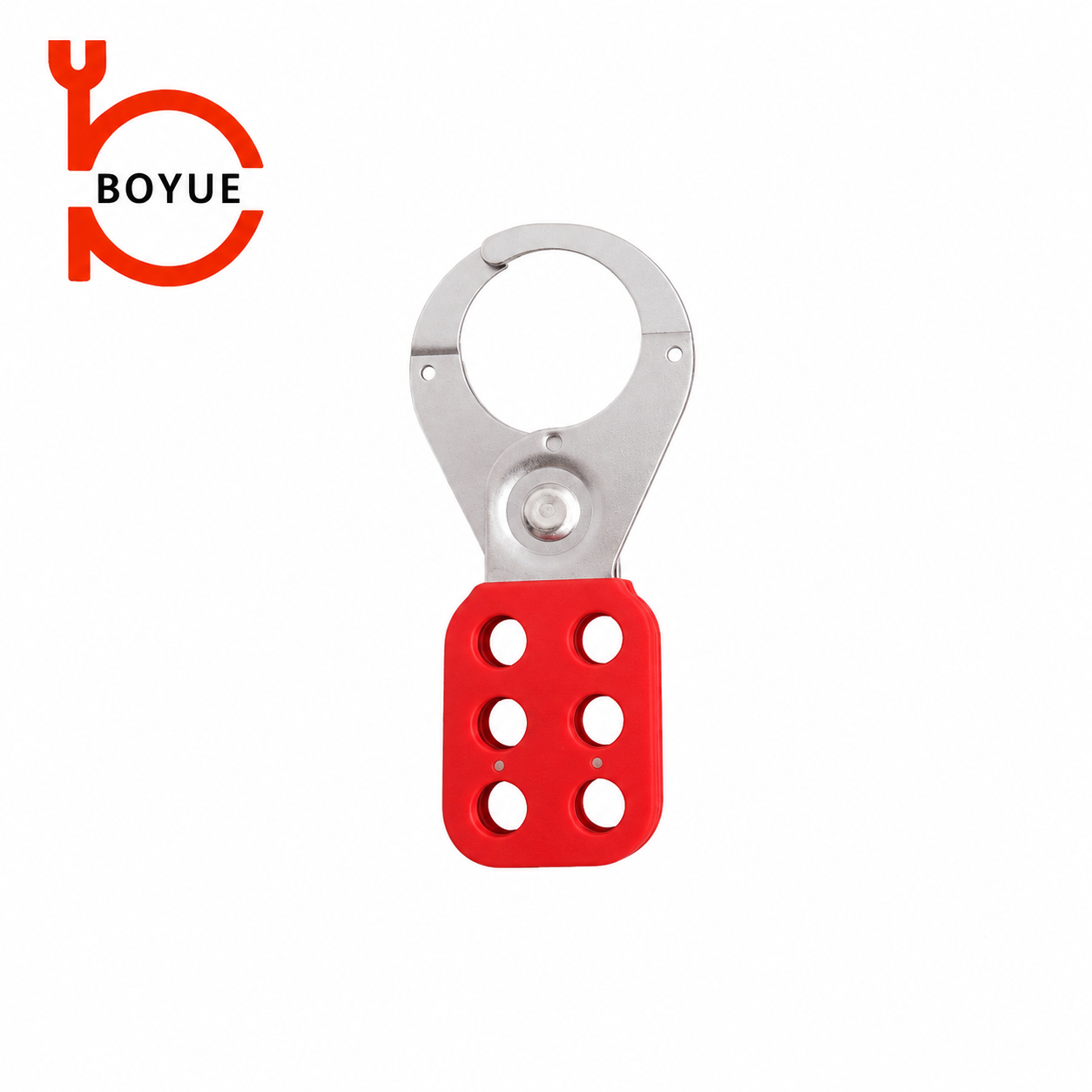
The illustrated steel hasp is an identifiable item with its own jaw, locking positions and application limits. It is not a generic solution for every missing component. Confirm the exact required type and condition, and keep any group-protection decisions within the established procedure.
Personal locks also require identity and key control. Do not solve a missing assigned lock by taking a lock from another worker’s active protection arrangement. The standard removal and exceptional-removal rules are operational matters for the employer; an inventory shortage provides no independent authority to remove a device.
Verify the replacement before calling the kit ready
Compare the replacement with the approved description and supporting product information. Check the exact variant, required dimensions, condition and compatibility with the site’s issued lock where relevant. Retain a record of any approved change so the next purchase does not revert to the earlier unsuitable item.
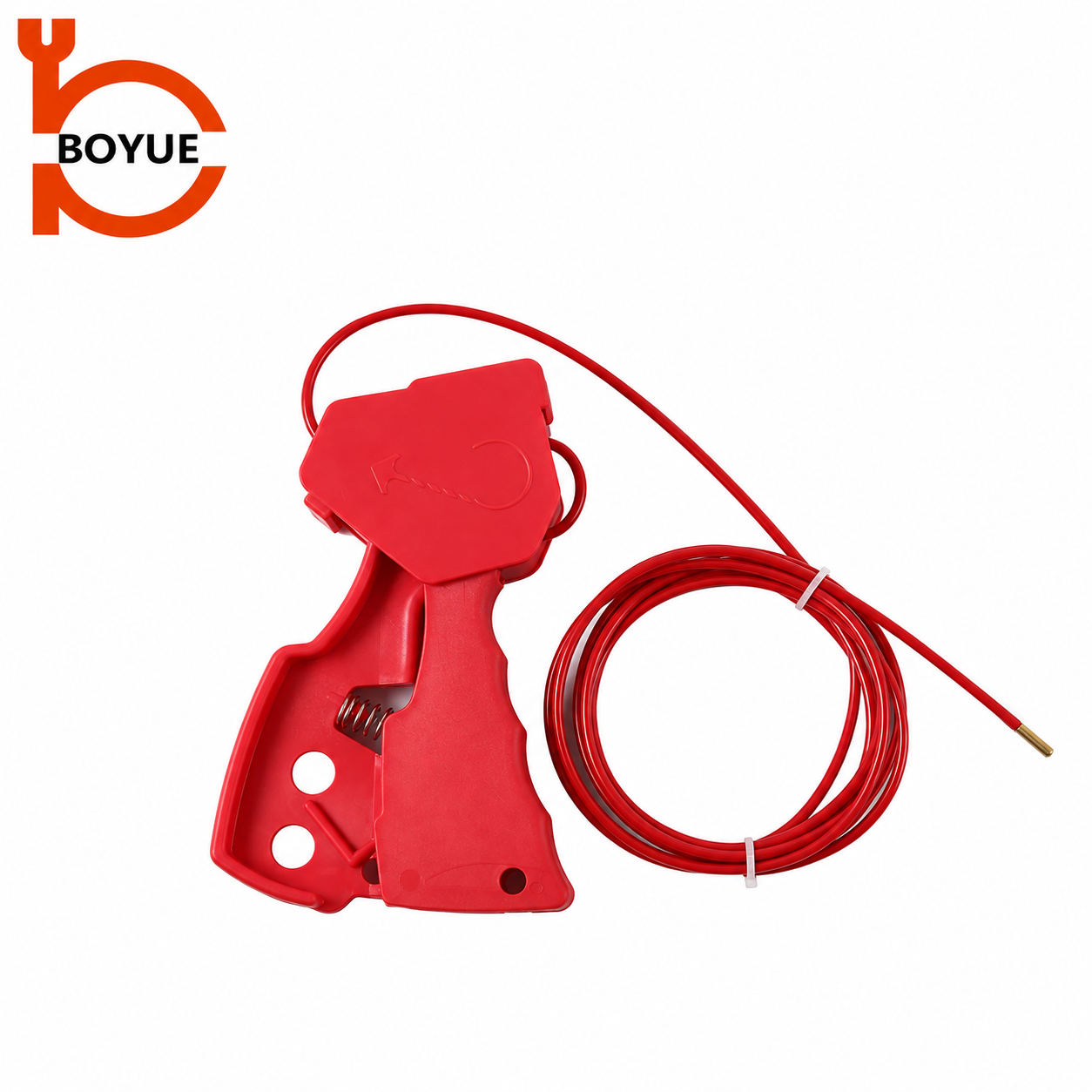
A cable lockout can have a different mechanism and routing requirement from a dedicated cover. The image illustrates a separate product category that may appear on an approved contents list. It does not recommend substituting cable for a missing cover. Any alternative needs a task-specific assessment and documented approval before issue.
The lockout kit selection guide addresses the original equipment-to-device mapping. Use that list as the baseline for replenishment, while keeping this discrepancy review focused on what changed, what is unavailable and what evidence restores the affected kit’s readiness.
Treat a complete count as only one check
Counting the expected number of items is useful, but two kits can have the same count and different capability. One may contain the correct variants; another may contain duplicates of a common item and lack a less frequently used component. Reconcile descriptions and application identities alongside quantities.
Condition matters as well. A cracked shell, distorted hasp or damaged mechanism should not become available simply because it fills the correct compartment. For hasps, the lockout hasp inspection guide provides related condition-check questions. Follow the product information and site inspection rules for the item involved, and keep held devices visibly separate from serviceable stock.
Tags and marking supplies deserve the same attention. A kit may contain enough physical tags but lack the correct warning legend, usable identification fields or the approved attachment arrangement. Check the site’s requirements rather than assuming any label makes the set complete. Avoid making unsupported durability or compatibility claims about an unverified replacement.
Distinguish stock checks from procedure inspections
A kit check can establish whether identified, serviceable items are available for a defined use. It cannot establish whether workers correctly implement a machine-specific energy-control procedure. Those are separate questions with different evidence and responsibilities.
Under the U.S. general-industry control of hazardous energy standard, employers must provide appropriate hardware and meet applicable procedure, training and periodic-inspection requirements. A signed stores sheet does not replace these obligations. Local requirements and the employer’s program determine the actual controls at a particular workplace.
Use the general educational video below as a refresher on the overall process. It does not inspect this kit, certify its contents or authorize a particular substitute. A worker should be able to understand the site’s approved job method without relying on a generic video to fill missing instructions.
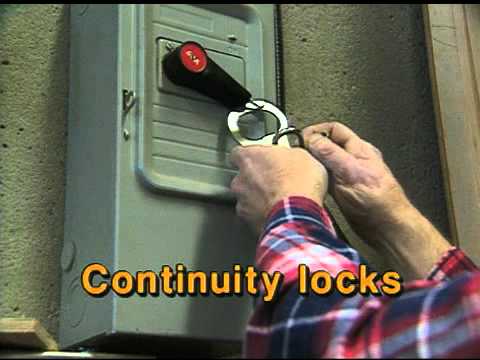
Watch Lock Out Procedures by SAFE Work Manitoba.
Make receiving useful for the next shortage
A replenishment order should identify the exact item, quantity, approved application or kit list, and restrictions on substitution. Include the evidence needed to distinguish similar variants. If the supplier proposes another configuration, keep it pending until the responsible reviewer accepts it for the intended use.
When the delivery arrives, compare the actual goods with the order before returning them to available stock. Record discrepancies clearly and retain the supplied instructions. A label saying “lockout kit accessory” is less useful than an exact model reference tied to the approved contents list.
Keep the container description separate from included devices. A replacement toolbox can restore storage without restoring the missing protection. Conversely, an acceptable device may be available while the container needs repair. Record these outcomes separately so a finished purchasing task does not automatically close the readiness hold.
Learn from repeated missing items
Repeated discrepancies can indicate an issue system that does not reflect actual use. Examine where the item is handed over, whether the custodian can see current assignments and whether damaged returns are separated promptly. Focus on the observed process rather than assuming loss or worker misconduct without evidence.
If the same item is repeatedly unavailable because several approved jobs overlap, refer the demand problem for planning. The solution may involve additional approved stock, revised allocation or clearer scheduling. Do not allow a routine shortage to normalize use of an unapproved substitute.
Close each case with the status of the affected kit and task, the replacement or recovered item, the person making the decision and any updated list. This creates a useful continuation record for the next shift and makes unresolved issues visible before another job reaches the work area.
Frequently asked questions
Can work start while someone looks for the missing device?
The affected work must not proceed without the protection required by its approved procedure. The responsible person should determine whether another fully approved provision is available. A promise that the device will arrive later does not establish readiness now.
Is a borrowed device acceptable?
An available device may be considered only when its identity, condition, application and issue arrangements meet site requirements. Do not take a device from active protection or disrupt another person’s assignment. Record the approved transfer through the normal system.
Does a full kit mean it is approved for every machine?
No. Readiness depends on a defined contents list and the equipment applications it supports. A complete set for one equipment group can lack the required interface for another. Confirm the job’s actual needs before issue.
Who should close the shortage record?
The site should assign that authority clearly. The record should show that the item status has been reconciled, the replacement is accepted where needed and the kit is available for its stated scope. Purchasing completion alone need not establish application readiness.